How To Secure Trailers For Trucking Companies

Protecting your valuable cargo starts with understanding what you're hauling and implementing the right security measures for that specific freight. Your company needs a comprehensive approach that combines physical locks, strategic parking, and modern technology.
In this article, we’ve gathered practical solutions that address the most common security vulnerabilities.
Evaluate Trailer Security Risks
Identify Potential Threats On The Road
Security risks for trailers exist everywhere on the road, making vigilance a necessity for every driver. Truck operators must take time to assess their surroundings and implement protective measures against theft and tampering with a strong cargo trailer door lock.
Your trailer faces numerous threats during transport, including unauthorized access attempts and cargo theft. Weather and road conditions can create additional security challenges that require attention. Professional drivers always perform pre-trip inspections to help prevent problems before they occur.
Protecting your trailer starts with high-quality coupler locks and locking devices. These security systems serve as your first line of defense against theft and unauthorized access. Let's look at the key differences between popular locking options:
Consider Cargo Value And Type
The type of cargo you transport directly affects what security measures you need. High-value items require extra protection compared to lower-value cargo. Electronics, pharmaceuticals, and luxury goods attract more theft attempts, so plan accordingly.
Also, heavy machinery needs different security considerations than fragile equipment. Your transport plan should account for both theft prevention and damage protection. Make sure proper restraints are used to prevent shifting during transit.
Documenting trailer information helps recover stolen cargo and provides evidence for insurance claims. Take photos of your freight before departure and maintain detailed inventory lists. This documentation proves especially valuable if theft occurs.
Understand Relevant Transportation Regulations
Federal regulations establish minimum security standards that all trucking operations must follow. The Department of Transportation requires specific equipment checks before any vehicle hits the road. Drivers must verify that all cargo is properly secured according to these guidelines.
Transportation safety rules vary by industry and cargo type. Hazardous materials transport involves additional security protocols beyond standard freight requirements. Your company needs clear procedures that align with these regulations.
Compliance helps avoid costly penalties and keeps insurance rates manageable. Regular training ensures drivers know current regulations and security best practices. These standards exist to help ensure public safety and cargo protection.
Prepare The Right Equipment
Select Durable Locks And Coupler Devices
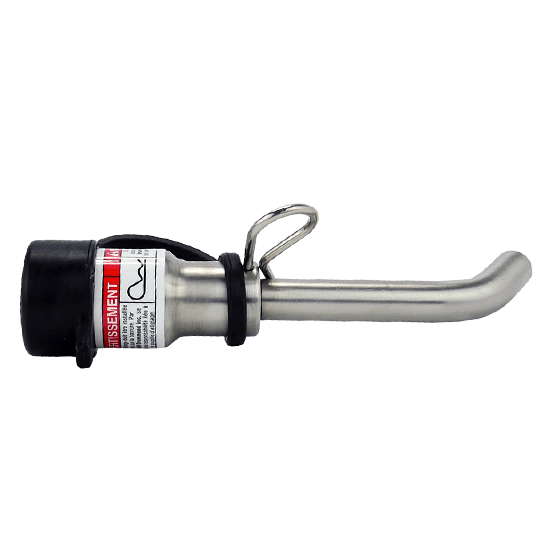
Protecting your trailer starts with high-quality locks and coupler devices. These security systems serve as your first line of defense against theft and unauthorized access. Let's look at the key differences between popular locking options:
Quality locking devices help prevent theft by making your trailer significantly harder to steal. We recommend using hardened steel models that resist cutting, drilling, and picking. The right security devices can make a tremendous difference in protection.
Choose Effective Wheel Restraints
Wheel restraints provide an extra layer of protection for your parked trailer. They keep your trailer safe by preventing the wheels from turning, making theft nearly impossible.
Wheel locks come in various designs:
- Boot-style locks that encase part of the wheel
- Clamp designs that secure across the tire
- Rod-through-rim styles that block rotation
Invest In Straps, Chains, And Tie-Down Systems
Securing load properly requires appropriate tie-down equipment. The process of hauling cargo safely depends on using the right materials for the job.
For truck drivers, quality tie-down systems include:
- Ratchet straps for versatile load securing
- Chains for heavy materials and equipment
- Binders to tighten chains effectively
- Winches for adjusting tension
Always match your straps and chains to the weight requirements of your load. The working load limit should be clearly marked on all tie-down equipment. Take time to inspect your gear before each use - frayed straps or damaged chains can compromise your entire hauling operation.
Use Edge Protectors And Anti-Slip Mats
Edge protectors serve two important functions when transporting cargo. They prevent load damage by distributing pressure across wider areas, and they protect your straps from sharp edges that could cause cuts.
Anti-slip mats create friction between your loaded items and the trailer bed. This friction works to keep cargo from shifting during transport, reducing the risk of accidents or damaged materials. Place these mats strategically under and between stacked items for maximum effectiveness.
For trailers hauling mixed loads, consider using two different types of edge protection: rigid corner protectors for boxes and flexible edge sleeves for items with irregular shapes. Whether you're moving construction materials or household goods, these simple tools make a big difference in load stability.
Load And Balance Your Cargo
Distribute Weight Evenly To Prevent Shifting
Before loading anything onto your flatbed truck, you need to calculate how to distribute weight properly. Start by conducting a complete inspection of your flatbed surface to make sure it's clean, damage-free, and ready for cargo. Look for any protruding nails, splinters, or weak spots that could compromise your load.
Weight distribution plays a critical role in transportation safety. An uneven load can lead to dangerous driving conditions, with cargo that might shift during transit. This shifting can damage your goods and create road hazards for you and other drivers.
The top priority should be balancing weight across both the length and width of your flatbed. Heavy items shouldn't all sit on one side or end of the truck. Instead, place them strategically so the weight spreads evenly across the entire surface area.
Account For Center Of Gravity And Heavy Equipment
When loading heavy machinery or dense equipment, you must consider the center of gravity. Heavy items positioned too high can create a dangerous tipping hazard. Position these items as low as possible on the flatbed to keep the center of gravity close to the ground.
Trucks with high centers of gravity are more likely to roll over, especially when driving around curves or in strong winds. For exceptionally heavy equipment, you might need to use specialized cradles or supports to distribute weight across more trailer axles.
Securing heavy machinery often requires stronger tie-downs than standard cargo. The combined strength of your tie-downs should be at least 50% of the total cargo weight. For example, 20,000 pounds of equipment needs tie-downs rated for at least 10,000 pounds combined.
Check weight ratings on all securing equipment before use. Heavy loads can put tremendous strain on chains, straps, and binders, so you need hardware specifically rated for the task. Periodic checks during transport help catch any loosening that might happen as the load settles.
Protect Fragile And Small Items
Smaller or fragile items require special attention when loading onto flatbeds. These pieces can easily become damaged if they're not properly protected from both movement and weather elements.
Start by creating cushioning layers between items using materials like rubber mats, foam padding, or specialized dunnage bags. These protective barriers prevent direct contact between cargo pieces and absorb shock during transport.
For particularly delicate cargo, consider using wooden crates or custom-built frames that can be securely attached to the flatbed. These structures provide an extra layer of protection while giving you multiple tie-down points.
Small items should never be placed directly against larger, heavier cargo. The weight difference can lead to crushing damage during normal road vibrations. Always inspect your protective materials for wear before each use, as damaged padding won't provide adequate protection.
Using multiple tie-down points for each fragile item helps minimize movement in all directions. Cross-strap configurations work well, securing items from both sides rather than just front to back. This technique prevents shifting even during sudden stops or turns.
Regular stops to check and adjust your tie-downs are especially important with fragile cargo. Temperature changes and road vibrations can cause straps to loosen over time, potentially compromising your load security.
Secure Cargo With Best Practices
Apply Direct And Indirect Tie-Down Methods
Cargo security demands proper application of tie-down methods to prevent accidents and comply with regulations. Let's examine the two primary approaches you should master.
Direct tie-downs connect directly from the anchor point to the cargo itself. This method works by restricting movement through tension applied in the opposite direction of potential cargo shift. You'll find direct tie-downs most effective for heavy, bulky items that need maximum restraint.
Indirect tie-downs apply downward pressure on cargo, increasing friction between the load and the deck. The increased friction prevents the cargo from sliding during transport. Many truckers prefer this method for loads with multiple pieces or items without suitable attachment points.
Federal regulations specify minimum requirements based on cargo weight:
- For cargo up to 5,000 pounds: at least 1 tie-down
- For cargo between 5,001-10,000 pounds: at least 2 tie-downs
- For cargo exceeding 10,000 pounds: 1 additional tie-down for each additional 10,000 pounds
Ensure Proper Tie-Down Angles
For optimal security, maintain vertical angles between 30-90 degrees. Angles below 30 degrees reduce restraining effectiveness dramatically. Horizontal angles should stay under 45 degrees from the centerline of the vehicle to prevent sideways shifting.
Incorrect angles can lead to serious consequences:
- Too shallow angles reduce restraining force
- Excessive horizontal angles may cause sideways shifting
- Improper vertical angles might allow cargo to bounce
How can you fix angle problems? Adjust anchor points when possible or add additional tie-downs to compensate for suboptimal angles. You might need to reposition the cargo on the trailer to achieve better tie-down geometry.
Double-Check Anchor Points And Fasteners
Before hitting the road, verify all components of your cargo securement system. Start by checking lock tension on all fasteners. Each tie-down should be tight enough to prevent movement but not so tight that it damages the cargo.
Chain strength requires careful inspection: look for signs of wear, stretching, or damaged links. Replace any questionable chains immediately. The weakest link in your securement system determines its overall strength.
Anchor point integrity proves just as critical. Examine all attachment points for:
- Cracks or deformation
- Loose bolts or welds
- Signs of metal fatigue
- Proper weight rating for the load
Final checks before transit should include walking around the vehicle to visually confirm all tie-downs remain properly tensioned and positioned. Give each tie-down a firm tug to verify tension. This simple step can prevent costly accidents and cargo damage.
Next Steps For Securing Trailers With AMPLock
Theft happens quickly, often when you least expect it. Your trailer and valuable cargo need protection that doesn't fail when put to the test. AMPLock offers security solutions built from high-grade North American materials designed to withstand extreme conditions.
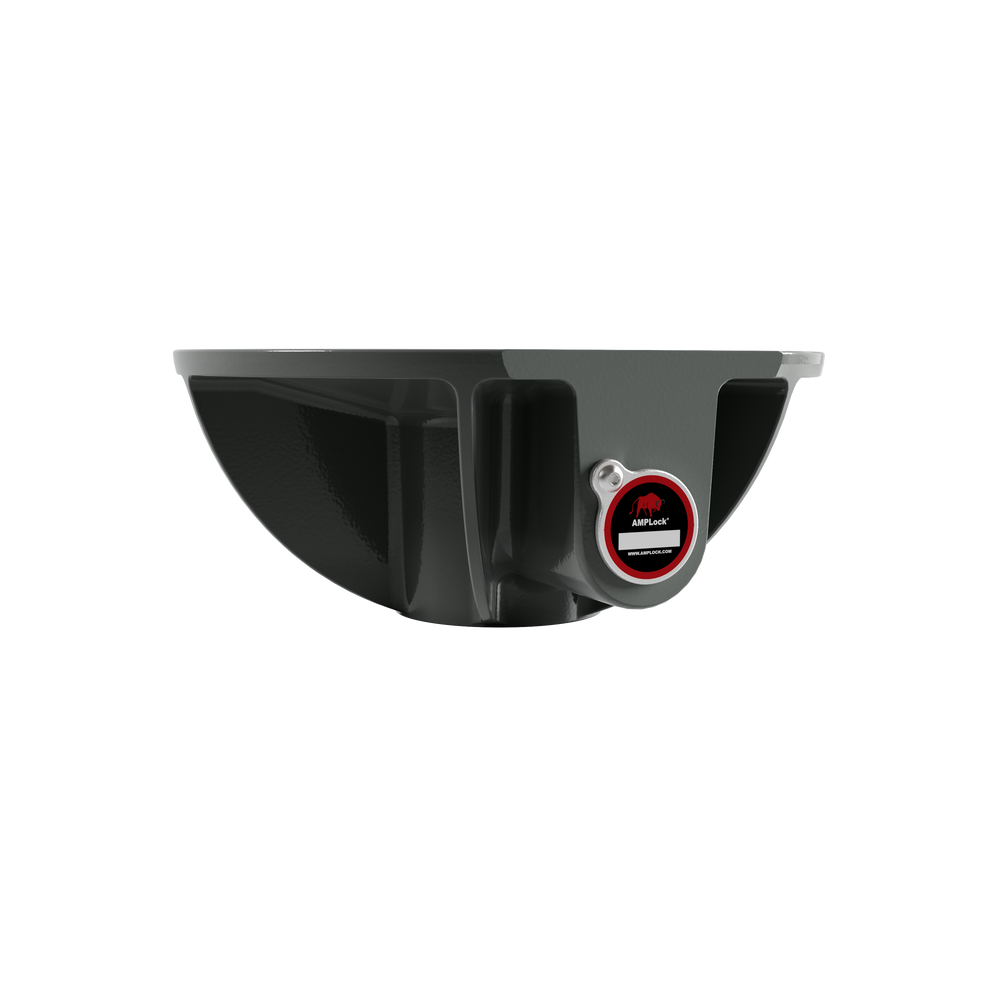
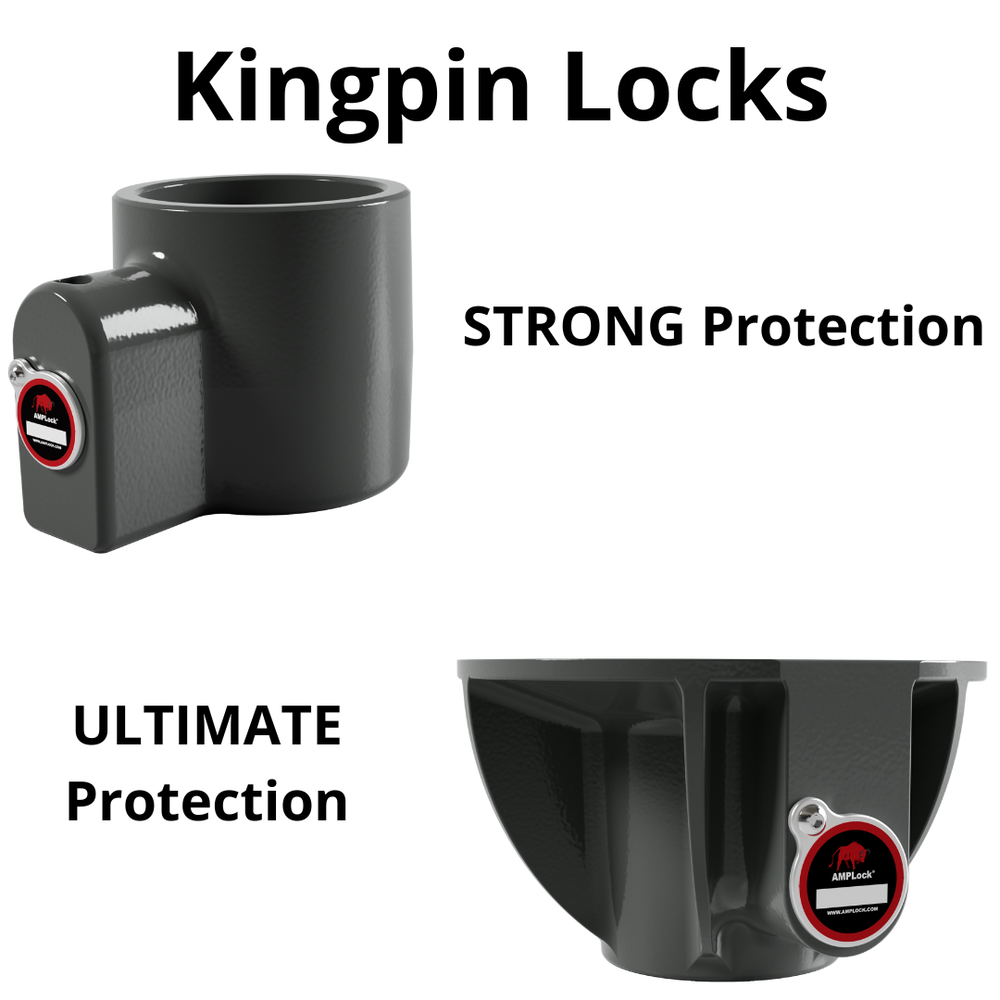
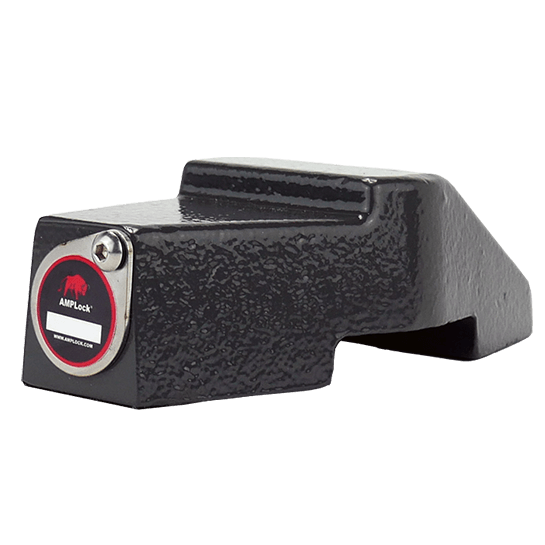
Our range of trailer locks provides peace of mind with patented mechanisms that resist tampering. From ball coupler locks to kingpin systems, our heavy-duty commercial trailer locks keep your equipment safe on any job.
Frequently Asked Questions About How To Secure Trailers For Trucking Companies
How Do I Protect My Trailer From Theft Overnight?
Protecting your trailer overnight requires multiple security layers working together. Start by parking in well-lit areas with surveillance cameras whenever possible, preferably at secure truck stops or monitored lots. Always disconnect the trailer from the tractor and use high-quality kingpin locks, wheel locks, or boot devices that make movement impossible.
What Is The Best Way To Secure Heavy Equipment And Machinery?
Securing heavy equipment on trailers demands proper weight distribution combined with appropriate tie-down techniques. Use rated chains, straps, or binders that match or exceed the weight of your cargo, making sure they're attached to designated anchor points on both the trailer and equipment. Heavy machinery should be positioned centrally on the trailer bed with its lowest center of gravity possible to prevent tipping during transport.
Can GPS Tracking Systems Really Help With Theft Recovery?
GPS tracking systems have proven extremely valuable for recovery efforts when trailers go missing. These devices provide real-time location data that law enforcement can use to quickly locate stolen equipment, often before significant damage occurs. Modern tracking solutions offer geofencing capabilities that send instant alerts if a trailer moves outside predetermined boundaries, allowing for immediate response to potential theft situations.
Which Locks Are Most Effective For Trailer Doors And Couplers?
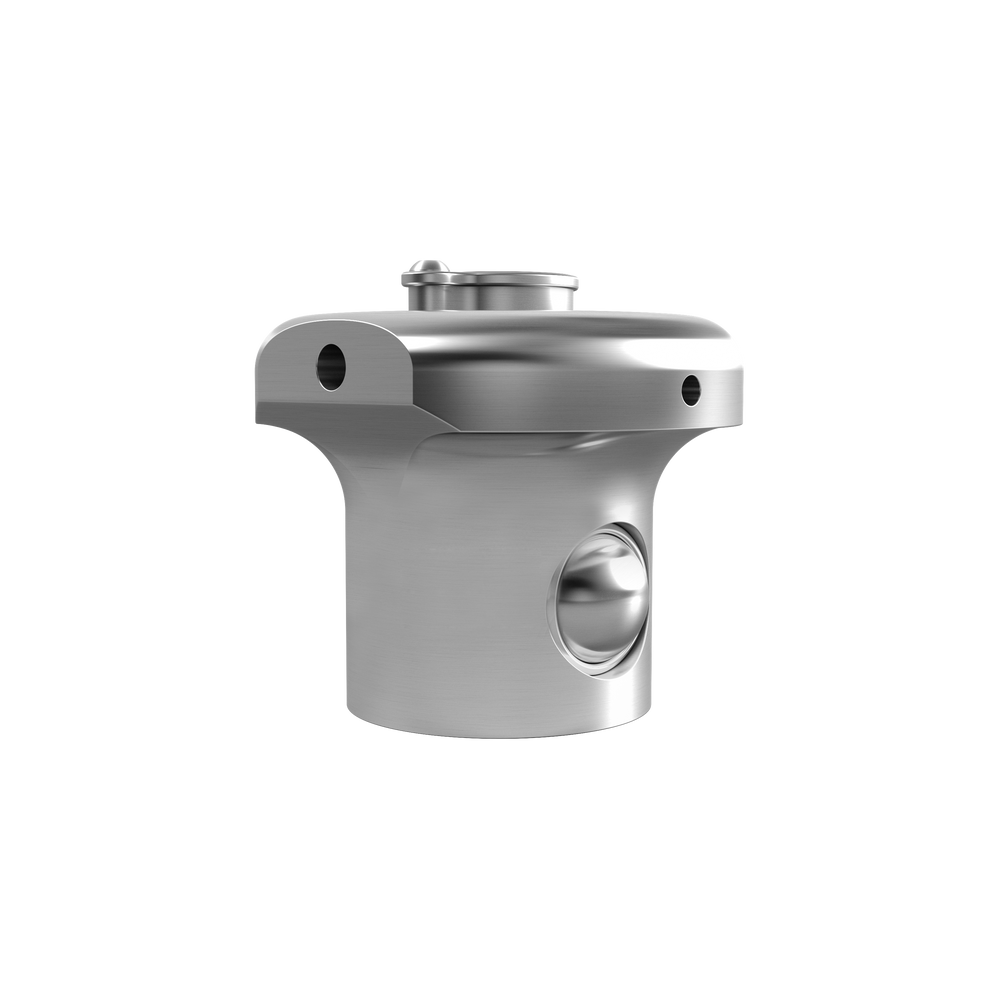
The most effective locks combine hardened steel construction with pick-resistant mechanisms that resist cutting, drilling, and freezing attempts. For trailer doors, heavy-duty puck locks provide superior protection since their circular design leaves minimal exposure to bolt cutters or saws. Coupler locks should fully encase the hitch mechanism rather than simply blocking it, making it impossible to attach the trailer to another vehicle.