Construction Site Theft: A Complete Prevention Guide

The Scale of Construction Site Theft Across the United States
Theft on construction sites has grown into a nationwide problem that hits contractors, developers, and project owners in every state. The dollar losses are heavy, and the real size of the problem is almost certainly larger than the reported figures show.
Annual Financial Losses and Industry Impact
Each year the construction industry loses somewhere between $300 million and $1 billion to equipment theft alone, according to the NICB. Copper theft piles on roughly another $1 billion per year, a figure tracked by the DOE. Those numbers only reflect cases that get reported, so the actual toll is likely far higher once you count incidents that never make it into a claim and the indirect costs that follow.
Direct losses tell only part of the story. Add replacement purchases, rental gear to fill the gap, stalled schedules, and climbing insurance premiums, and the true price of theft runs well past the sticker value of whatever was taken. For firms juggling several projects at once, repeated thefts chip away at margins and put steady pressure on the business over time.
Incident Frequency and Reporting Gaps
Thousands of construction theft cases reach the FBI every year, and the issue is common enough that most contractors have dealt with it directly. Being hit more than once is normal, and plenty of contractors report several theft events inside a single year.
Even those counts fall short of reality. A large share of jobsite thefts are never reported, often because the loss sits below the insurance deductible or because the contractor never had the paperwork needed to file. That distance between what gets recorded and what actually happens makes it hard to measure theft activity at a national level with any accuracy.
What Gets Stolen Most Often on Construction Sites
Tools, heavy machinery, and building materials account for most jobsite theft incidents. Each group brings its own set of prevention and recovery headaches.
Heavy Equipment and Machinery
Heavy machinery is the highest-value prize on most sites. Excavators, backhoes, skid steers, and generators carry big price tags, and gear from names like Caterpillar, John Deere, and Bobcat draws thieves because it holds strong resale value.
A lot of the machinery that disappears is fairly new, which makes it even more appealing on the secondary market. Crews often back a flatbed up to the equipment and haul it off during overnight hours. Because this machinery frequently lacks a standardized identification system, tracing and getting back a stolen unit is tough, and recovery rates for these items stay low.
Copper Wiring and Building Materials
Copper ranks among the most targeted materials on any site. With copper prices holding at elevated levels, wiring and piping look attractive to thieves. The destruction left behind during copper removal usually costs far more than the metal is worth, since thieves rip through walls, ceilings, and electrical systems to reach it.
Lumber and steel prices have climbed sharply since 2020, which has pushed building materials up the list of common targets. Those cost jumps turned what used to be treated as low-priority theft into a real financial risk for a project.
Power Tools and Smaller Items
One multi-tool theft can run into thousands of dollars. Power tools are simple to grab, simple to carry, and simple to sell through online marketplaces and local black markets. Workers routinely leave tools out at the end of a shift, and that gap gives thieves their opening.
Missing tools might look like a small annoyance next to stolen machinery, but the running total climbs fast. When a crew arrives and their tools are gone, the whole day stalls until replacements show up. That break hits timelines, labor costs, and the overall efficiency of the job.
Why Construction Sites Are Easy Targets
Jobsites carry built-in weaknesses that make them more inviting to criminals than most other commercial properties. Contractors need to understand these risk factors to put together a prevention plan that holds up.
Geographic Isolation and Limited Surveillance
Many sites sit in areas where police response times drag. Rural or developing zones are especially exposed because they lack the foot traffic and neighborhood eyes that discourage crime in busier places.
A typical jobsite stands empty for most of every day, plus nights and weekends. In the early phases, sites often have no electricity or internet, which rules out standard surveillance cameras and lighting. Put geographic isolation together with thin monitoring, and you get conditions where thieves can work with little chance of being caught.
Multiple Access Points and Temporary Infrastructure
A warehouse or office has controlled entry, but a construction site may open onto several gates, driveways, and access roads. Temporary fencing is easy to cut or shove aside. Chain-link without locks or reinforcement is barely more than a visual line.
Because construction infrastructure is temporary, security has to change as the project moves along. A perimeter that does the job during the foundation phase can be useless once the building goes vertical and fresh access points open up around the site.
Insider Knowledge and Employee Theft
Employee theft is a broad problem across every industry. On a jobsite, subcontractors and temporary workers learn where equipment sits, when deliveries land, where the security gaps are, and how the daily routine runs. That inside knowledge makes planning and pulling off a theft far easier without drawing attention.
Some operations pair inside information with outside muscle. A worker passes along what is on site and when it goes unguarded, and an outside crew handles the removal. This kind of coordinated theft is harder to spot and stop with standard security alone, which is why management protocols and background checks belong in any layered approach.
When and How Construction Site Theft Happens
Jobsite theft tends to follow predictable timing and methods. Knowing the when and the how lets contractors focus their effort on the riskiest stretches.
Overnight, Weekend, and Holiday Vulnerability
Most theft happens outside working hours, especially overnight when a site is completely empty. Three-day holiday weekends are the single riskiest window because sites sit vacant for long stretches with no workers around and no oversight.
A standard Monday-to-Friday schedule leaves jobsites exposed for most of the week. Without dedicated night security or remote monitoring, there is often nobody on hand to notice or react to anything suspicious until the next morning.
Opportunistic Theft Versus Organized Crime
Opportunistic theft makes up a large slice of jobsite crime. These incidents usually involve someone hopping a fence and taking whatever tools or materials they can carry. The bar to get in is low, especially where perimeter security is weak.
Organized crime is the more serious and growing threat. These groups lean on sophisticated tactics, including forged ownership papers, drone scouting, insider tips, and flatbeds staged for a fast equipment grab. Stolen machinery often travels across state lines or leaves the country entirely, which puts recovery almost out of reach. The planning behind organized theft makes it far harder to stop with basic measures.
Seasonal Patterns and High-Risk Periods
August lands as the peak month for jobsite theft year after year, lining up with the busiest stretch of the construction season. May also shows raised activity. Summer as a whole produces more incidents because more sites are running and more equipment is spread across job locations.
January turns out to be an unexpected danger period too. Projects that pause or slow through winter leave equipment idle and unwatched for weeks. Thieves use that seasonal lull to hit valuable assets that nobody is checking on a regular basis.
The Financial and Operational Fallout
The cost of jobsite theft reaches well past the value of the stolen goods. Every incident sets off a chain of financial and operational consequences that can drag on a project for weeks or months.
Replacement Costs and Recovery Statistics
Recovery rates for stolen construction equipment are grim, with single-item thefts recovered less than 7% of the time. Trucks fare best at a 55% recovery rate, but smaller items and building materials almost never come back.
When a stolen item is worth less than the insurance deductible, the contractor eats the full replacement cost. Even when a policy does cover the loss, the claims process takes time, while the equipment has to be replaced right away to keep the job moving.
Project Delays and Cascading Timeline Effects
When key machinery vanishes from a jobsite, the work stops. A missing excavator or generator can freeze an entire construction phase for days or even weeks while a replacement is found, delivered, and put into service. All that time, labor costs keep piling up with nothing to show for them.
Delays from theft do not stay contained. They ripple through the whole schedule, pushing back later trades, throwing off coordination between subcontractors, and sometimes triggering penalties for blown deadlines. A single theft can add weeks of delay and tens of thousands of dollars in extra cost through that knock-on effect.
Insurance Premiums and Long-Term Business Consequences
Repeated theft claims drive premiums up and, in some cases, lead to non-renewal. Insurers read frequent claims as a sign of weak risk management, which makes coverage harder and pricier to keep.
Past the money, theft wears on morale and reputation. Workers who show up to find their tools gone feel less secure and less driven. Turnover in the trade is already a challenge, and a steady theft problem makes it even harder to hold onto experienced crews.
Proven Ways to Prevent Construction Site Theft
Real prevention works in layers, combining physical barriers, technology, and operational controls. No single measure wipes out risk, but the right mix goes a long way toward closing the gaps.
Perimeter Security and Adequate Lighting
An 8-foot chain-link fence topped with barbed wire or anti-climb features forms a strong first line of defense. Solid panel fencing stops thieves from scouting what is on a site before they try to enter. Every gate should carry a heavy-duty lock and get checked daily for signs of tampering.
Motion-activated lighting is one of the cheapest ways to deter nighttime theft. Solar-powered options work well on sites that have no electrical service yet. Warning signage announcing surveillance and monitoring adds a psychological barrier on top. A well-lit area with visible cameras and clear signs is a far less appealing target.
Surveillance Cameras and Remote Monitoring
Modern video systems do much more than record. Remote monitoring services put live operators on watch who can react to suspicious activity, trigger alarms, and call police right away. Mobile and relocatable camera units let security move along with the project as it grows.
AI-driven video analytics can tell animals, authorized workers, and possible intruders apart, cutting false alarms and sharpening response. Night vision and thermal imaging keep coverage working in total darkness. Cloud-based systems let project managers pull up camera feeds from anywhere, adding oversight without needing anyone on site.
Access Control and Inventory Management
Controlled access starts with a sign-in system that logs everyone coming and going. Credential checks for workers and delivery drivers keep entry limited to people who belong there. Background checks on employees and subcontractors help flag risks before they turn into losses.
Daily equipment counts and tool checks build accountability and catch theft early. Delivery logs and chain-of-custody steps for high-value items track materials from arrival through installation. These habits take work to keep up, but they are essential for holding assets secure and spotting losses fast.
GPS Tracking and Equipment Identification
Hidden GPS trackers sharply raise recovery odds for stolen machinery. When a machine goes missing, live location data lets police move quickly and grab the asset before it gets sold or shipped out. Thieves usually miss concealed GPS units, especially when they are tucked into spots that are easy to overlook.
Registering gear with the National Equipment Register (NER) adds another layer of protection. This database helps police flag stolen machinery during traffic stops, port inspections, and resale deals. The register has helped recover millions of dollars in stolen goods. Photographing every asset, logging serial numbers, and recording VINs and PINs builds a full identification record that backs both insurance claims and recovery efforts.
Securing Trailers on the Jobsite
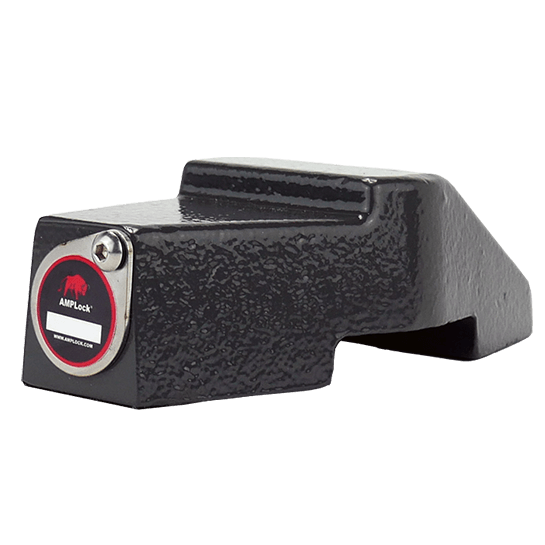
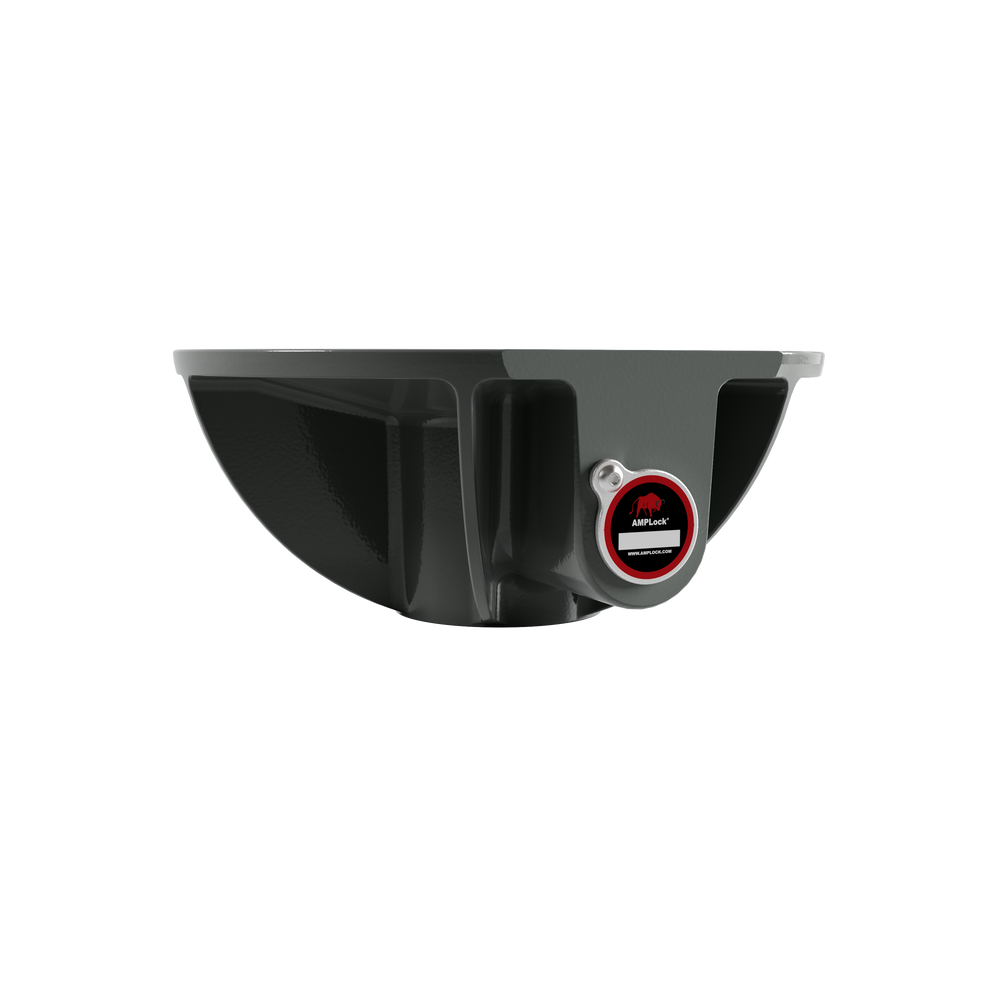
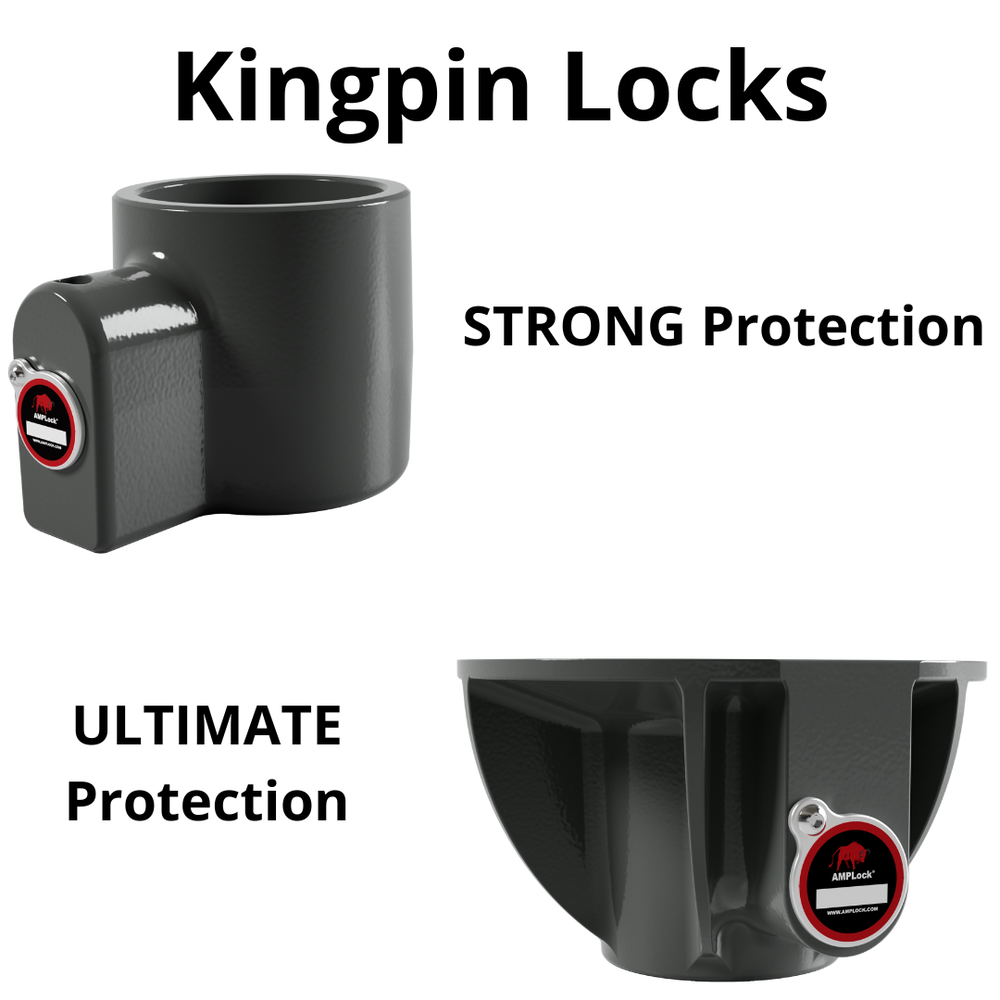
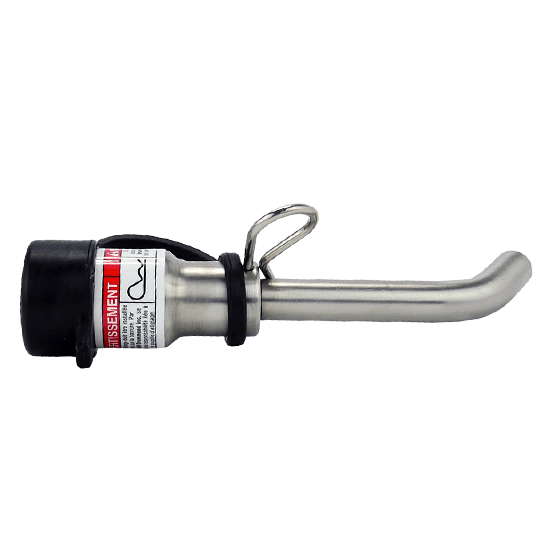
Construction sites lean on trailers to move and store equipment, tools, and materials. An unsecured trailer is one of the easiest targets around because a thief can hitch it to a truck and be gone in minutes. Quality trailer locks block unauthorized towing by locking the coupler, hitch, or wheels in place.
Coupler locks, hitch locks, and wheel chock locks each cover a different weak point. Running several lock types together builds a layered defense that sharply raises the time and effort needed to steal a trailer. For firms that keep valuable assets inside enclosed trailers overnight, cargo trailer door locks guard against break-ins even when the trailer itself cannot be moved. Investing in a commercial trailer lock built for heavy-duty use is one of the most practical moves a contractor can make to protect mobile assets on site.
Insurance and Documentation Best Practices
Solid insurance coverage and thorough documentation cut the financial exposure from jobsite theft and improve the odds of getting stolen property back.
Optimizing Coverage for Construction Equipment
Not every policy pays the full replacement cost of stolen items. Actual cash value policies factor in depreciation, so the payout can land well short of what a replacement actually costs. Replacement cost coverage offers a better cushion, particularly for newer equipment that holds its value.
Price escalation endorsements are worth a look in a market where equipment pricing has jumped a lot since the pandemic. Regular coverage reviews keep policy limits in step with the rising value of what sits on site. Some insurers require specific security measures, such as GPS tracking or perimeter fencing, as conditions for valid coverage. Meeting those requirements ahead of time can head off claim denials and may even lower premiums.
Reporting Protocols and Recovery Procedures
Fast reporting is the single biggest factor in recovering stolen construction equipment. File a police report right away, then notify your insurer and the NER. The first 24 to 48 hours after a theft matter most, because equipment that crosses state lines or gets repainted and re-serialized becomes far harder to identify.
Documenting the theft scene with photos and detailed notes supports both the police investigation and the insurance claim. Keeping an up-to-date asset register with serial numbers, photos, and GPS device information means the data police need is ready the moment it is required. Firms that set clear reporting protocols and train their teams to follow them recover stolen assets at higher rates than those without a structured approach.
Frequently Asked Questions About Construction Site Theft
How Much Does Construction Site Theft Cost the Industry Each Year?
The combined annual cost runs well into the billions once you count equipment losses, copper wire theft, project delays, insurance premium hikes, and lost productivity. The full breakdown appears in the sections above.
What Are the Most Commonly Stolen Items on a Construction Site?
The most targeted categories, tools, heavy equipment, and building materials, are covered in detail above. Copper wiring, lumber, and generators sit at the top of the individual-target list thanks to strong resale value and how hard they are to trace once they leave the site.
How Can GPS Tracking Help Recover Stolen Construction Equipment?
Hidden GPS devices feed live location data that lets police track and recover stolen equipment quickly. Thieves often miss concealed trackers, which gives investigators a direct line to the asset. Pairing GPS tracking with NER registration improves recovery outcomes considerably.
Are Construction Companies Legally Required to Maintain Site Security?
Security rules vary by jurisdiction. Some municipalities require specific measures like perimeter fencing and lighting. Insurance policies often build in security provisions as conditions for coverage. Construction contracts increasingly ask contractors to hold defined security standards, which makes site security both a legal and a contractual duty in many cases.
What Role Does Lighting Play in Deterring Construction Site Theft?
Adequate lighting is one of the most effective and affordable deterrents available. Motion-activated lights draw attention to unauthorized movement and help surveillance cameras capture usable footage. A well-lit jobsite is far less appealing to thieves, who prefer to work under cover of darkness.