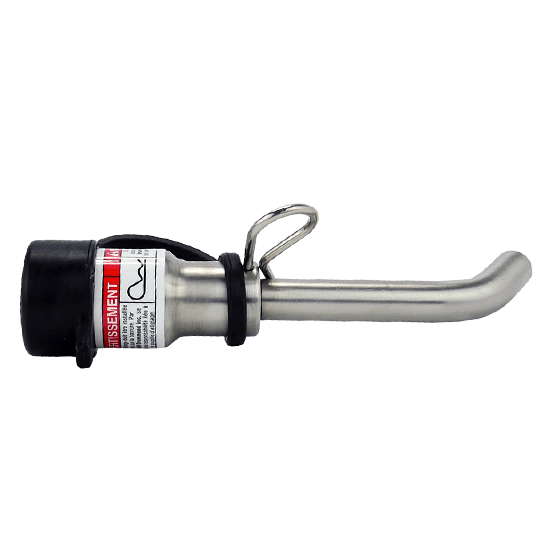
How To Secure Trailers For Logistics Providers

Looking for ways to secure your trailers as a logistics provider? Protecting your valuable assets requires multiple security layers including high-quality locks, GPS tracking systems, and strategic parking in well-lit areas to significantly reduce theft risk.
This guide will help you implement effective security measures to protect your trailers and cargo from increasingly sophisticated theft attempts.
Identify Common Risks In Trailer Security
Recognize Potential Vulnerabilities
Poor yard lighting is often the first weak point in trailer security, as dark or shadowed areas allow unauthorized access to go unnoticed. In addition, the use of simple trailer locks instead of commercial trailer locks make equipment an easy target for quick and opportunistic theft attempts. Over time, neglected maintenance of security equipment can further compromise protection, leading to system failures when safeguards are needed most.
Inconsistent security protocols across multiple locations significantly increase overall risk, especially when teams follow different procedures. This issue is often compounded by limited staff training in security awareness, which creates blind spots and reduces the ability to detect suspicious behavior. Although wheel locks for trailers act as a strong visual deterrent and help prevent theft, their effectiveness diminishes when other protective measures are not consistently applied.
Pinpoint Security Gaps In Your Supply Chain
Dispatch procedures can present significant vulnerabilities when driver credentials are not properly verified, allowing unauthorized individuals to enter the supply chain. Similarly, parking locations that lack adequate surveillance quickly become high-risk points within logistics operations, especially during extended stops or overnight periods. In addition, transfer points between carriers often suffer from minimal security oversight, creating opportunities for cargo tampering or theft during handoffs.
Loading and unloading processes require strict access control measures, as uncontrolled access increases exposure to internal and external threats. To maintain full visibility, documentation systems must consistently verify and record all cargo movements throughout the supply chain. However, when communication gaps exist between different transportation segments, these records lose effectiveness and overall security risks increase.
Strengthen Physical Defenses
Optimize Yard Layout And Lighting
Physical security starts with smart yard design. Strategic lighting serves as your first line of defense against trailer theft. Well-planned illumination around parking zones eliminates shadows where thieves might hide and helps prevent unauthorized movement through your property.
The best location for trailer storage includes high-traffic areas where regular activity makes suspicious behavior stand out. Consider placing trailers in central, visible spots rather than isolated corners where theft can occur unnoticed. Integrated CCTV systems provide constant monitoring of all areas where equipment is stored. Modern security cameras offer clear footage day and night, with some systems sending real-time alerts when they detect unusual activity.
Access control represents another critical component. Limiting entry points and monitoring who enters your property will help prevent unauthorized access. Electronic gates, key cards, and visitor management systems track everyone on your premises.
Choose High-Quality Coupler And Kingpin Locks
Selecting the right lock type provides crucial protection against trailer theft. Quality locking devices act as physical barriers that significantly slow down thieves and often make them abandon their attempts. The best securing options combine multiple lock types. Many professional driver teams pair high-security coupler locks with kingpin locks for maximum protection. This redundant approach creates multiple barriers a thief would need to overcome.
Premium locks help ensure your trailer stays where you park it. The difference between budget and high-quality models becomes apparent in their resistance to common theft techniques. Superior locks protect against drilling, picking, and cutting attempts.
Reinforce Trailer Doors And Hinges
Trailer doors often become the primary target for thieves seeking quick access to cargo. Standard factory hinges and door components may not withstand determined attacks, making reinforcement a must for comprehensive security.
Upgraded door hardware helps keep unauthorized individuals from gaining entry. Heavy-duty hasps, security hinges with non-removable pins, and reinforced frames all contribute to stronger entry points. These modifications make forcing doors open significantly more difficult and time-consuming.
Hinge protection plates cover exposed components and prevent thieves from removing door pins. These simple additions dramatically increase the time and effort required to breach your trailer, often leading thieves to abandon their attempts and seek easier targets. Visible security upgrades also serve as powerful deterrents. When potential thieves see reinforced doors and specialized locks, they recognize the trailer will take too long to break into, increasing their risk of detection.
Integrate Advanced Technology Solutions
Use GPS Tracking And Geofencing
Real-time monitoring transforms fleet security by providing constant visibility of your assets. GPS tracking systems deliver immediate location updates that allow for rapid response if a trailer deviates from its planned route. Your operations benefit significantly when you implement geofence alerts: virtual boundaries that trigger notifications if a vehicle enters or exits designated areas.
Trailer tracking solutions give your team the ability to monitor multiple assets simultaneously, which creates a comprehensive security network. These technology platforms work around the clock, offering protection during those vulnerable overnight hours or weekend periods when traditional security might be reduced.
Add Alarm Systems And Motion Sensors
Effective sensor and alarm technologies for your fleet:
- Perimeter motion sensors that detect movement around parked trailers and immediately alert security personnel
- Cargo door sensors that trigger when doors open outside scheduled times or approved locations
- Weight sensors that identify unauthorized cargo removal or additions during transport
- Temperature and humidity monitors that protect sensitive freight while providing security support through pattern recognition
- Solar-powered alarm systems that function independently of the trailer's power supply for consistent protection
- Vibration detection systems that recognize tampering attempts or forced entry
- Audible alarms that create immediate deterrent effects when triggered, drawing attention to security breaches
- Silent alert systems that notify security teams without alerting perpetrators, allowing for strategic response
These security systems represent key components in comprehensive protection strategies. Your implementation of these solutions should include integration with central monitoring services for 24/7 oversight. The most important aspect of sensor deployment involves strategic placement at vulnerable points throughout your equipment.
Modern alarm practices now incorporate AI-based analytics that can distinguish between normal operations and actual threats, reducing false alarms while improving response accuracy.
Employ Smart Locking Devices And Electronic Seals
Smart locking devices have revolutionized cargo security by adding digital intelligence to physical protection. Your trailers can now benefit from locks that automatically secure based on location data, ensuring cargo doors remain sealed throughout transport. These advanced devices send immediate tamper notifications if anyone attempts unauthorized access.
Electronic seals provide verification that cargo remains untouched from origin to destination. They help keep documentation accurate by recording every legitimate opening and closing event. Many transport companies find these solutions particularly valuable for high-value shipments or regulated goods requiring chain-of-custody verification.
Establish Proactive Security Protocols
Conduct Regular Inspections And Maintenance
To establish proactive security protocols, regular inspections and maintenance must be treated as a daily operational priority. First, door integrity should be checked every day to ensure the safety of the cargo, while all locks must be verified before each trip to confirm they function properly. At the same time, security seals should be closely examined for any signs of tampering or damage that could indicate unauthorized access.
During transit, it is equally important to monitor and adjust cargo distribution to prevent shifting that may compromise both safety and security. In addition, trailer floors and walls should be inspected for holes, structural damage, or weaknesses that could create access points or increase risk. Whenever maintenance issues are identified, they should be documented immediately to ensure timely repairs and accountability.
Train Your Workforce On Theft Prevention
Your team serves as the front line against theft. Proper training can help prevent losses through awareness and quick response. Every driver should understand company security practices and recognize their role in cargo protection.
Regular security briefings provide updated information about regional theft trends. The key factor in reducing vulnerability lies in preparedness, your drivers need clear protocols for high-risk situations and parking locations.
Security awareness should extend across all personnel who handle shipping details. Staff should never share route or cargo information with unauthorized individuals, which can reduce theft opportunities significantly.
Standardize Documentation And Record-Keeping
Consistent documentation forms the backbone of effective trailer management. Your logistics process should include photographing trailers before departure and upon arrival, capturing any existing damage or security concerns. Maintain detailed VIN logs for all trailers across your fleet. This process creates a traceable history that proves crucial during investigations if theft occurs.
Implement standardized shipping manifests that account for all items loaded. Digital record systems offer advantages through immediate access to trailer histories and maintenance records.
Documentation should follow trailers throughout their lifecycle, creating accountability at each transfer point. Your team needs clear procedures for recording seal numbers and verifying they match shipping documents.
Partner With AMPLock For Comprehensive Trailer Security
Tired of worrying about your trailers and valuable cargo when they're out of sight? We understand the constant concern that keeps logistics providers up at night. AMPLock offers North American-made security solutions engineered specifically for your fleet protection needs.
Our high-grade ductile iron and stainless steel locks provide defense against cutting and brute force attacks. From ball coupler locks to kingpin security devices, we back every product with free shipping and a 5-year warranty.
Don't leave your assets vulnerable, contact AMPLock today and discover why professionals trust our patented security technology.
Frequently Asked Questions About How To Secure Trailers For Logistics Providers
What Is The Most Reliable Locking Solution For Trailers?
The combination of coupler, kingpin, and wheel locks creates a formidable defense against trailer theft. You need high-grade hardened steel locks that resist cutting, drilling, and prying attempts, features that directly combat common theft techniques. Properly secured trailers with quality locks can prevent attempted thefts, saving logistics companies thousands in potential losses.
Can Advanced Technology Significantly Deter Trailer Theft?
GPS tracking systems paired with CCTV and motion sensors transform your security approach by providing instant alerts whenever suspicious activity occurs near your trailers. Electronic seals that register tampering attempts and geo-fencing capabilities allow you to create virtual boundaries, triggering notifications if a trailer moves outside designated areas.
How Do We Train Our Drivers In Effective Security Practices?
Regular security briefings should focus on teaching drivers to perform thorough pre-departure checks, including testing all locks, inspecting for tampering signs, and maintaining detailed documentation of trailer conditions. Your training program must cover threat identification at rest stops, appropriate responses to suspicious behavior, and strategic parking choices that minimize theft risks.
How Often Should Security Protocols Be Reviewed?
Quarterly security audits allow you to adapt to evolving theft tactics and incorporate new protective technologies before vulnerabilities can be exploited. Your review process should assess yard lighting effectiveness, evaluate fence integrity, and test alarm responsiveness to identify potential weak points in physical security.
Articles associés
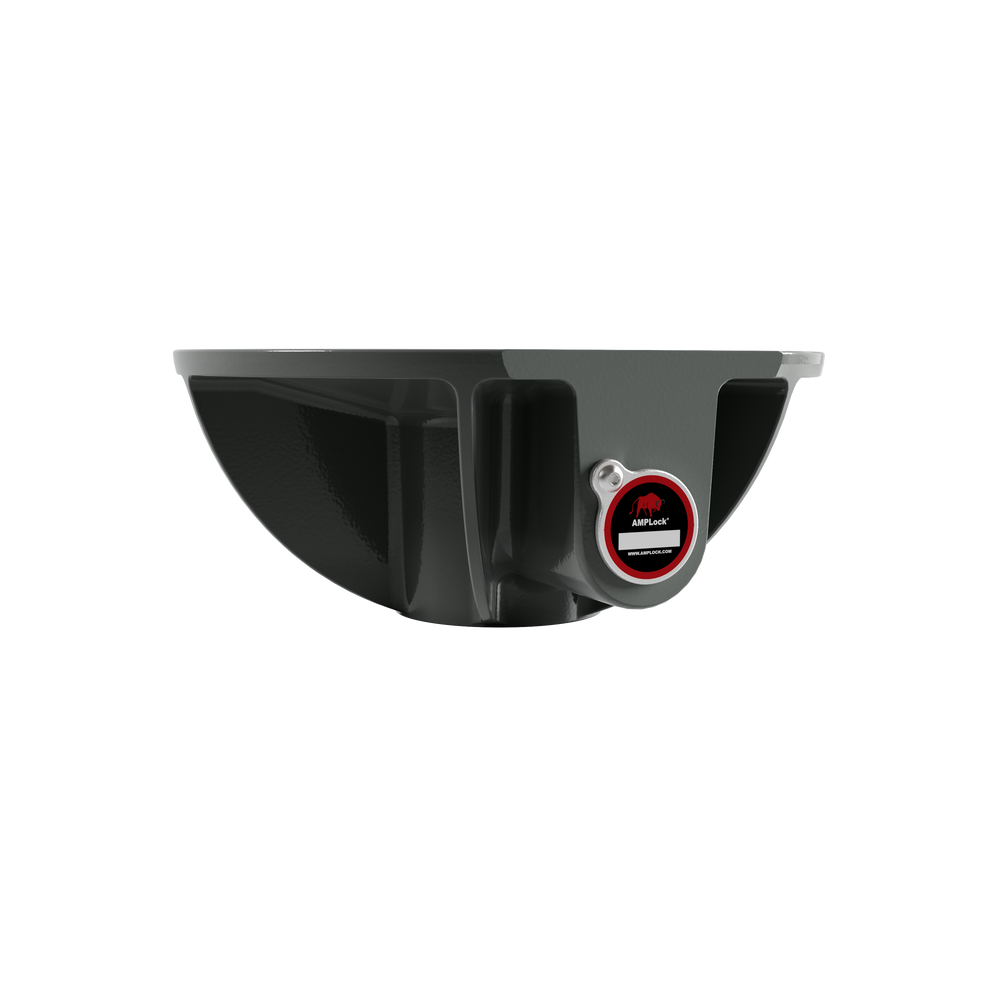
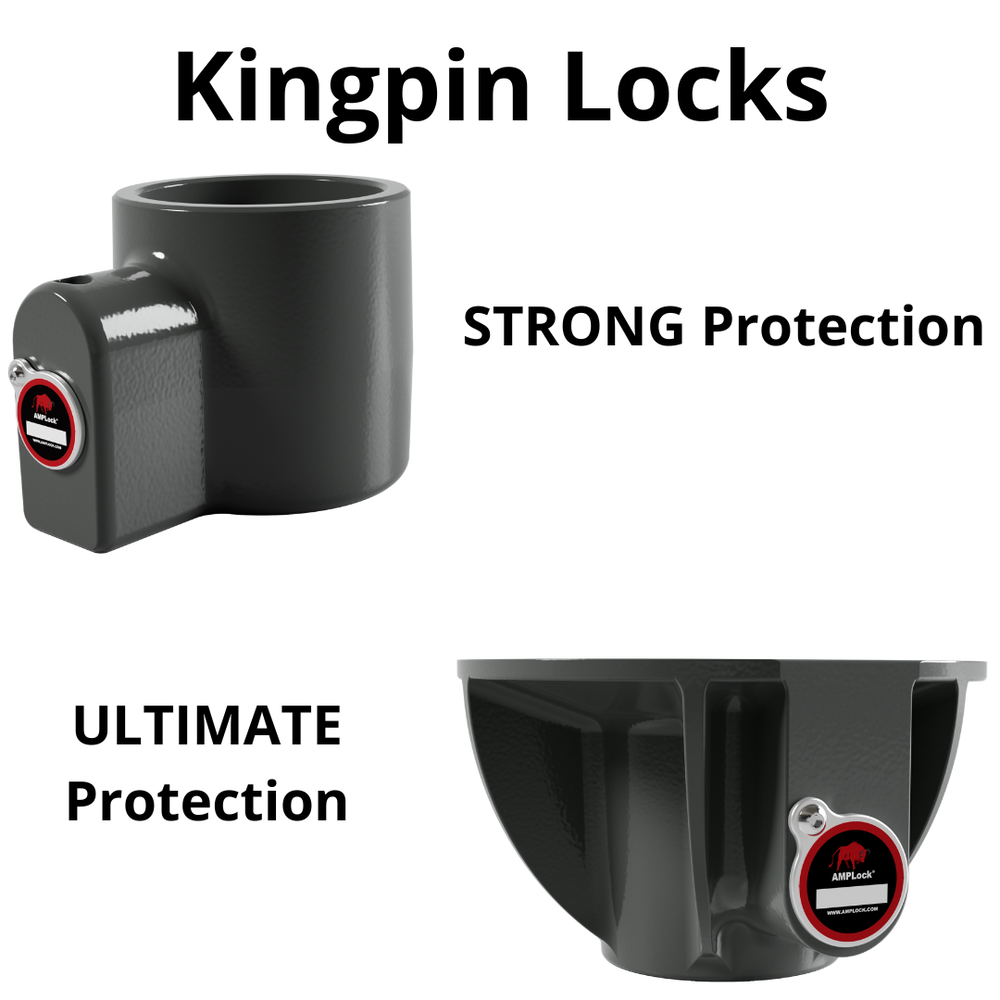
Verrou de pivot d'attelage - haute résistance
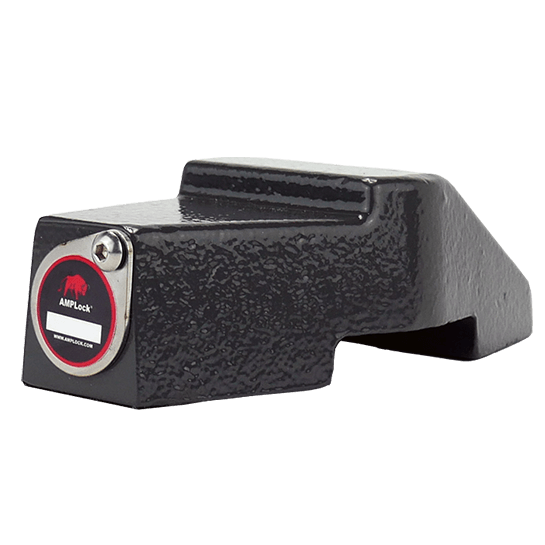
Verrou de portes de remorques et conteneurs
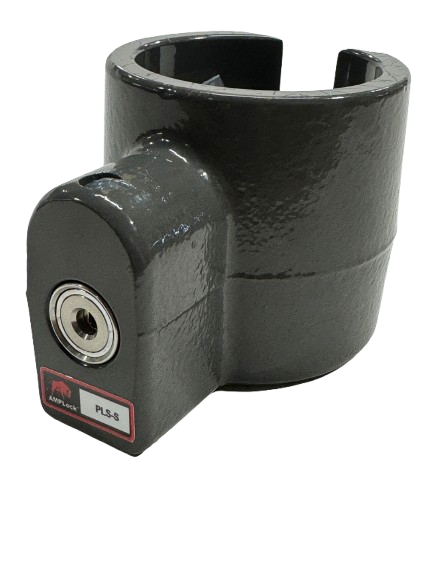
Verrou de pivot d'attelage - Style Pullrite/Sidewinder