How To Secure Trailers: Guide For Landscapers

Securing trailers properly is one of those things that every landscaper knows matters, but not everyone takes the time to do right. Whether you are hauling mowers, skid steers, tools, or materials from job to job, a poorly secured trailer can lead to damaged equipment, safety risks on the road, and costly fines.
This guide walks through the practical steps landscapers need to secure trailers correctly, from choosing the right tie-downs to checking load balance, so your equipment arrives safely, and your workday stays on track.
Understand The Importance Of Proper Trailer Security
Recognize Common Risks Landscapers Face
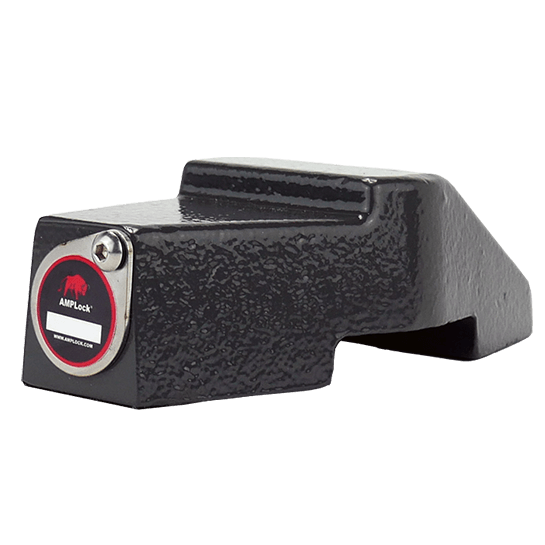
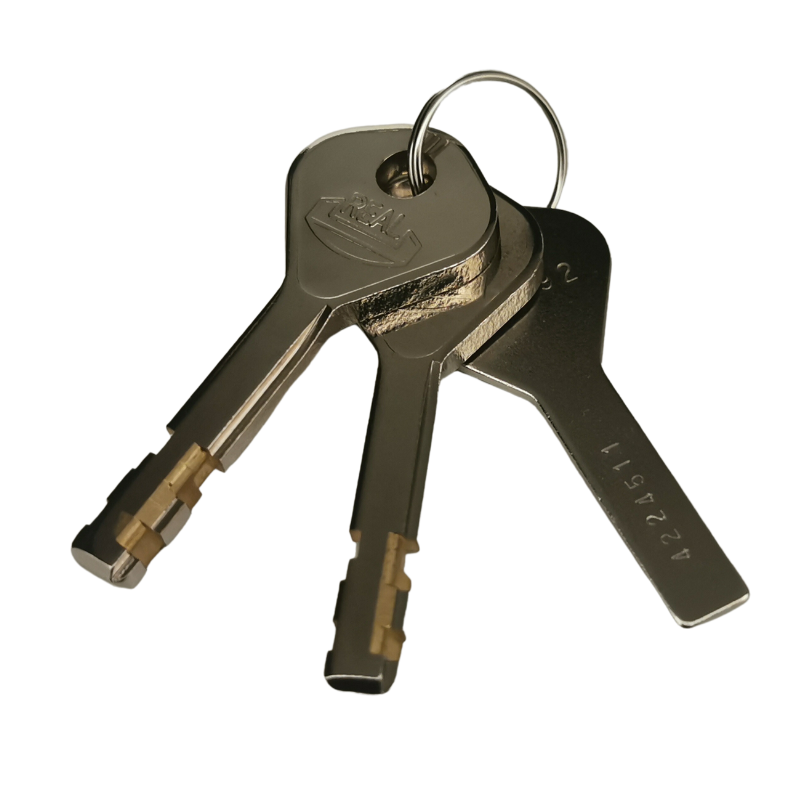
Theft of valuable tools is a major concern for professional landscapers, who can lose thousands of dollars each year when equipment is stolen from unsecured trailers. Using a commercial trailer lock is one of the most effective ways to reduce the risk of theft and protect high-value equipment during transport and overnight storage.
In addition, improperly secured loads create serious safety risks, as heavy machinery can shift during transport and become dangerous projectiles. Moreover, trailers that are not correctly attached may detach on the road, leading to severe traffic accidents and hazardous driving conditions.
Follow Essential Safety And Legal Guidelines
Road safety regulations exist to protect everyone sharing highways with commercial vehicles. Exceeding gross vehicle weight limits puts tremendous strain on your towing vehicle's braking system, steering, and suspension components. This creates dangerous driving conditions that can lead to accidents.
Securing loads according to written company policies isn't just about avoiding tickets: it's about creating a consistent security process that every team member follows. Tarping loose materials like mulch, gravel or yard waste remains absolutely necessary to prevent debris from flying onto roadways.
Many states have implemented strict enforcement programs targeting commercial vehicles with inadequate load security. These programs can result in substantial fines and vehicle impoundment. Making security protocols an essential part of your daily routine helps avoid these costly interruptions to your business operations.
Identify The Right Trailer For Different Landscaping Tools
- Riding mowers and large equipment: Open utility trailers with ramps (1,500-3,000 lb capacity) provide easy loading access
- Enclosed landscape trailers: Perfect for storing smaller landscaping tools like trimmers, edgers and blowers while protecting them from weather and theft
- Dump trailers: Ideal for hauling soil, mulch, and debris with hydraulic lifting capability
- Specialized equipment trailers: Feature built-in tie-downs and specialized racks for landscaping tools of various sizes
- Multi-level trailers: Allow for efficient organization of landscape equipment with different storage zones
- Flatbed trailers: Work well for transporting large trees, shrubs or palletized materials
The right trailers should always include load-rated tie-down points, proper weight distribution systems, and secure locking mechanisms. These features play a critical role in preventing workplace injuries and equipment damage during transport.
Gather The Essential Equipment For Secure Transport
Choose Lockable Trailer Racks And Storage Systems
- Lockable racks provide immediate theft deterrence by requiring keys to access equipment
- Truck rail systems create organized transport spaces while adding security for valuable tools
- Locking toolboxes keep smaller items protected from both theft and weather damage
- Secure storage options reduce insurance claims related to stolen equipment
- Protection features like reinforced locks offer peace of mind during overnight jobs
- Organized systems make inventory management faster at job sites
- Ideal solutions include combination systems that integrate with your existing trailer setup
Use High-Quality Tie-Down Straps And Load Binders
Using high-quality tie-down straps and load binders is essential to ensure equipment remains stable during transport. First, ratchet straps rated for the appropriate weight capacity help prevent shifting, while heavy-duty chains with certified load ratings provide added security for larger machinery.
In addition, load binders create the necessary tension to maintain stability, even when traveling on rough or uneven roads. Transport safety is further improved when equipment weight is properly distributed across multiple tie points, which reduces stress on individual straps. To enhance durability, weather-resistant materials should be prioritized, especially for frequent outdoor use.
Moreover, effective loading procedures require checking all attachment points before departure to minimize the risk of failure in transit. With the right combination of securing devices, weight distribution becomes easier to manage, and using color-coded straps allows crews to quickly identify strength ratings suited to different types of equipment.
Organize Hand Tools With Dedicated Racks
Organizing hand tools with dedicated racks significantly improves efficiency and safety during transport. Specialized trailer racks keep tools easily accessible while also preventing damage caused by movement. For example, shovel and rake holders mounted to trailer walls free up valuable floor space, whereas blower racks secure bulky equipment that would otherwise roll around.
Similarly, water cooler racks ensure hydration supplies remain stable during travel, and gas can racks isolate fuel from other tools to enhance safety and organization. As a result, structured tool organization systems reduce time wasted searching for equipment once crews arrive on site. Open-design racks also keep tools visible, making quick inventory checks easier, and ultimately, a well-organized trailer contributes to a more professional appearance at client properties.
Consider GPS Trackers And Security Cameras
GPS trackers help you know exactly where your gear is located at all times. Many new systems offer geofencing alerts that notify you if equipment leaves designated areas. Your landscaping business can benefit from either option depending on your specific security needs and budget constraints.
Prevent Theft And Unauthorized Access
Park Strategically And Use Hitch Locks
Protecting your trailer starts with smart parking decisions. Strategic parking can significantly reduce theft risk by making your trailer less accessible to potential thieves. Whenever possible, position your trailer in well-lit areas where passing traffic or security cameras can see it. This simple step increases the time and effort required for a theft job, discouraging many opportunistic criminals.
Hitch locks provide an excellent physical barrier against unauthorized movement. These devices prevent someone from connecting your trailer to their vehicle, creating a visible deterrent that makes thieves look for easier options. Several types exist on the market, from coupler locks to wheel locks, so comparing the best trailer locks helps you pick the right fit for your specific needs.
Conduct Regular Equipment Inspections
Regular inspections serve dual purposes: maintaining safety and preventing theft. Your inspection routine should focus on security components like locks, chains, and attachment points that thieves might target. You may discover tampering signs during these checks before actual theft occurs.
Create a checklist that covers all security elements around your trailer. This approach ensures nothing gets overlooked during busy periods. Finding problems early gives you time to address vulnerabilities before they lead to theft or road accidents.
Store Trailers In Secure Locations When Not In Use
The storage location plays a crucial role in preventing trailer theft. Enclosed storage facilities offer maximum protection against both theft and weather damage. These buildings typically feature multiple security layers, including controlled access systems, surveillance cameras, and on-site personnel.
If enclosed storage isn't available, look for open lots with security features. The best open storage areas have perimeter fencing, lighting, and monitoring systems. Many professional storage facilities offer both open and enclosed options at different price points.
Never leave trailers in unsecured locations without supervision. Thieves specifically target equipment left in open areas that lack proper security measures. Trailers parked in these vulnerable spots often disappear within minutes.
Develop A Theft Prevention Policy For Your Crew
Creating a formal theft prevention policy helps establish clear expectations for everyone handling your trailers. This document should outline specific responsibilities and procedures related to trailer security. The best policies include practical guidelines that crew members can easily follow during daily operations.
Train your team thoroughly on security practices. Your business depends on everyone understanding their role in protecting valuable equipment. Make security awareness part of your onboarding process for new employees and provide refresher training for existing staff.
Protect Your Landscaping Business With AMPLock's reliable trailer security solutions
Tired of worrying about your valuable landscaping equipment being stolen from job sites? Our high-grade trailer locks provide peace of mind with North American-sourced ductile iron and stainless steel construction that stands up to extreme conditions.
AMPLock offers custom-fit security solutions for every type of trailer in your fleet, from ball coupler locks to kingpin locks and door security systems. Plus, all our products come with free shipping and a 5-year warranty.
Frequently Asked Questions About Securing Trailers For Landscapers
How Do I Choose The Right Size And Type Of Trailer?
Selecting the perfect trailer begins with assessing your equipment inventory and typical material loads. You need a trailer that fits all your mowers, trimmers, and supplies without exceeding your vehicle's towing capacity or legal weight restrictions. Consider options with built-in security features like lockable racks and secure rail systems to protect valuable equipment from theft.
When Should I Replace My Tie-Down Straps?
Your tie-down straps require immediate replacement if you notice fraying, cuts, severe abrasions, or any sign of UV damage that makes the material stiff or discolored. Compromised straps create dangerous situations where loads might shift or fall, potentially causing accidents that lead to injuries or worse on busy roads. Always use appropriately rated straps or chains with quality ratchet binders that match your heaviest loads.
Are There Regulations Specific To Landscaping Trailers?
Federal and state transportation laws establish clear guidelines for how landscape companies must secure and transport equipment and materials. Weight limits vary by trailer type and axle configuration, with hefty fines issued for violations discovered during roadside inspections.
How Can I Ensure My Crew Follows Security Protocols?
Regular safety training sessions focused on proper loading techniques and equipment security form the foundation of consistent crew compliance. You should develop clear, step-by-step written policies that outline exactly how different equipment pieces must be positioned, secured, and covered on trailers before leaving any job site.
Articles associés
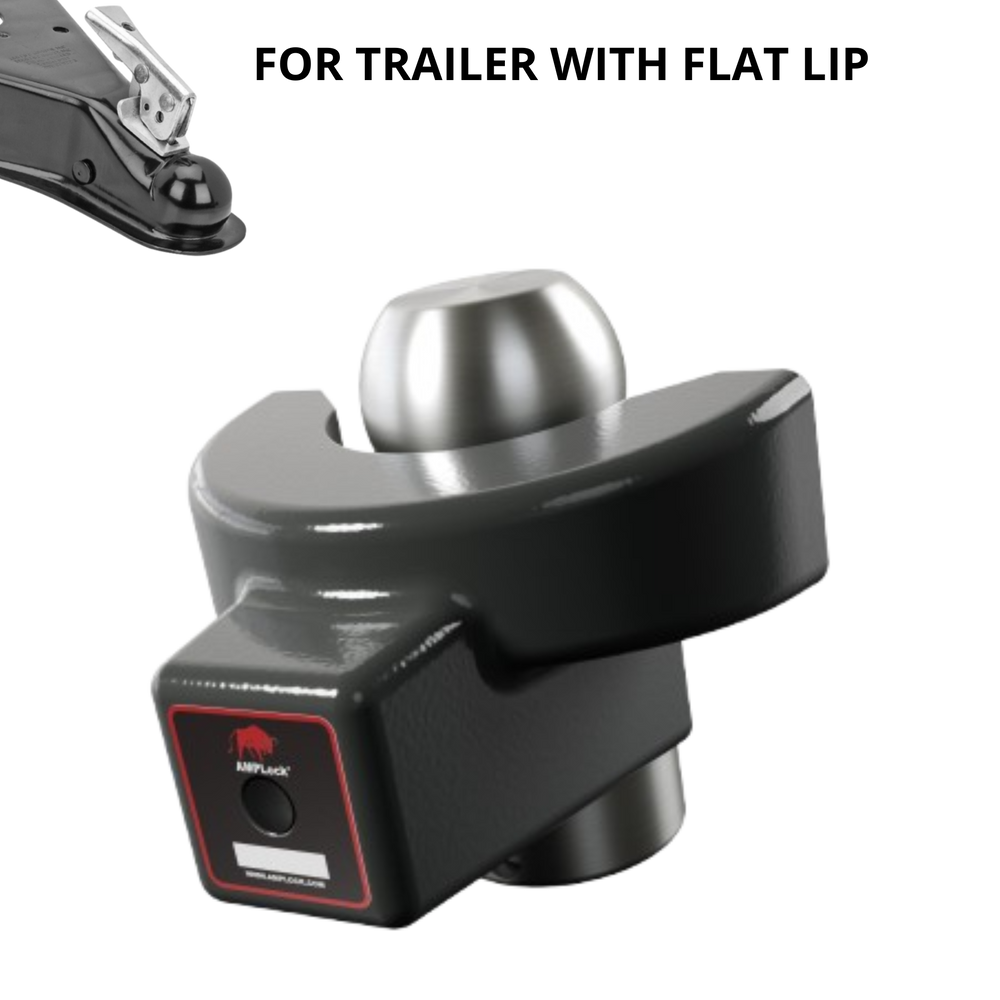
Verrou d'attelage à boule - Conception de lèvres plates
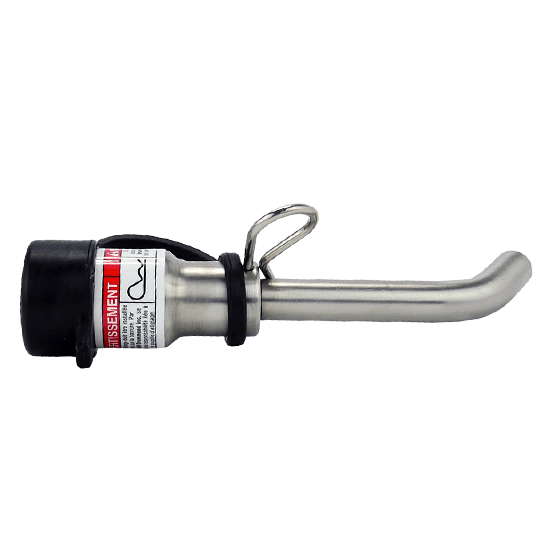
Verrou de barre d'accouplement 5/8 de diamètre