How To Secure RV Trailers: Proven Tips And Tricks

Wondering how to secure your RV trailer against theft? A quality trailer lock is essential, but effective protection requires multiple security layers including wheel locks to prevent towing, coupler locks to block unauthorized hitching, and hitch locks to secure your trailer to your tow vehicle. You need a comprehensive approach since RV trailers are valuable targets that thieves can quickly hitch up and drive away if left unprotected.
This guide will help you implement proven security measures to protect your investment from theft and give you peace of mind during your travels.
Understand Common Theft Risks
Why RVs Are Targeted By Thieves
RVs represent valuable targets for thieves due to several key factors that make them attractive and profitable. These recreational vehicles often contain expensive components, electronics, and personal belongings that can be quickly resold. Many people fail to secure their RVs properly, creating opportunities for criminals looking for an easy score.
The high resale value drives much of this criminal activity. A stolen RV camper can fetch substantial money on black markets, with parts sometimes worth more than the complete vehicle. Accessibility plays a crucial role too: RVs frequently sit unattended for long periods, giving thieves ample time to plan and execute their crimes. Implementing multiple layers of security, especially some rv trailer locks can prevent most theft attempts.
Typical Methods Used By Criminals
- Lock manipulation: Thieves often use simple tools to break or pick standard locks, gaining entry within minutes when owners haven't upgraded to high-security options
- Hitch theft: Criminals look for trailers with minimal protection and bring equipment to remove hitches or coupling mechanisms, allowing quick towing with their own vehicles
- Security bypass: Professional thieves know how factory alarms work and may use electronic devices to override these systems before you realize anything is wrong
- Opportunity grabbing: Some thieves simply take advantage of unlocked doors, open windows, or keys left in easy-to-find locations around the campsite
Which Areas Pose Higher Risks?
- Isolated campgrounds: Remote locations with few people around create perfect opportunities for thieves to work unobserved and escape without witnesses
- Unsupervised parking: Public lots without security personnel or cameras give criminals plenty of time to steal your RV without anyone taking notice
- Poorly illuminated spots: Areas with inadequate lighting provide cover for thieves, who prefer to stay out of sight while breaking into vehicles
- High-crime neighborhoods: Places with documented theft problems should remain top of mind when planning where to park, as local criminals may actively scout for valuable RVs
How to Strengthen Your RV's Exterior?
Use High-Quality Hitch Locks
A quality hitch lock serves as your first defense against trailer theft by securing your trailer to your tow vehicle. These devices prevent unauthorized removal by physically blocking the hitch mechanism from being disengaged. The best hitch locks feature hardened steel construction that resists cutting, drilling, and hammering attempts.
When shopping for a hitch lock, consider options with visible deterrents like bright colors that signal to potential thieves your RV is well-protected. This visible security measure often discourages theft attempts before they begin.
Install Wheel Locks For Added Immobilization
Wheel locks provide an essential secondary layer of protection by physically preventing your trailer wheels from turning. These devices clamp onto your RV's wheel, making towing impossible even if someone manages to compromise your hitch lock.
Heavy-duty steel construction makes quality wheel locks resistant to cutting tools and brute force attacks. You can safely park your RV knowing the wheels remain immobilized until you remove the locks yourself.
For maximum effectiveness, apply wheel locks to multiple wheels. This approach creates redundant security that requires more time and effort to defeat, something most thieves want to avoid.
Add Coupler Locks For A Stronger Barrier
Coupler locks prevent unauthorized hitching by covering the trailer tongue and ball connection point. These devices make it impossible for thieves to attach your RV to their tow vehicle, adding another strong security layer. The best coupler locks feature tough metal design with hardened steel components that resist sawing, drilling, and prying. You'll appreciate how easy these locks are to install, typically taking less than a minute to secure your trailer.
When selecting a coupler lock, check compatibility with your specific ball size and tongue configuration. The right fit ensures proper securing without gaps that could be exploited.
Rely On AMPLock For Secure Entry Solutions
An AMPLock product offers advanced protection for your RV entry doors. These keyless RV locks combine convenience with high-security features that traditional locks can't match. The durable construction of our locks includes reinforced strike plates and hardened steel components. These features make sure your entry points resist forced entry attempts through physical attacks.
Many systems allow you to grant temporary access to family members or service providers without sharing permanent codes. This flexibility lets you ensure only authorized individuals can enter your RV, even when you're not present.
Position Your RV To Limit Access
- Park with your RV's front facing a wall or other barrier, making hitch access difficult for potential thieves
- Use natural barriers like trees or large rocks on the side of your RV to block easy approach paths
- Back your RV close to a structure when in storage, leaving minimal working space around the hitch
- Position your RV at an angle that makes towing difficult without significant maneuvering
Strategic parking creates passive security that complements your active measures like locks and alarms. The goal is to make your RV more challenging to steal than neighboring vehicles, encouraging thieves to move on to easier targets.
Integrate Electronic Security
Choose An Advanced Alarm System
Modern alarm systems offer powerful protection for your RV. The best systems come equipped with motion sensors that detect unauthorized entry and loud sirens that scare off potential thieves. Many advanced options now connect directly to your smartphone, sending instant alerts when something triggers the alarm.
These real-time notifications help keep you informed whether you're sleeping inside your RV or miles away. Your system can include door and window sensors, glass break detectors, and panic buttons for comprehensive coverage. Security professionals consider alarms important tools in any RV protection strategy.
You'll want to select a system specifically designed for mobile applications, with battery backup and cellular connectivity that works without relying on campground WiFi. The right alarm becomes your first line of defense against break-ins.
Install A GPS Tracker For Quick Recovery
GPS trackers serve as invaluable recovery tools if your RV gets stolen. These devices can find your vehicle's exact location, which makes recovery significantly faster and more likely. Law enforcement can use this data to guide their search efforts.
For maximum effectiveness during your travel adventures, place the tracker somewhere hidden that thieves won't immediately look. Many experienced RV owners install trackers in multiple locations as backup. The best models offer continuous tracking data, long battery life, and tamper alerts.
Your GPS system might include geofencing capabilities that notify you if the RV moves outside predetermined boundaries. This feature proves especially useful at campgrounds or when you've parked for extended periods.
Use Quality Surveillance Cameras
Security cameras act as both deterrents and evidence collectors. Potential thieves often avoid RVs they can see are monitored. If someone does attempt a break-in, your cameras will check and record their actions.
Look for cameras with these key features:
- High-resolution video capture
- Night vision capabilities
- Weather-resistant construction
- Wide viewing angles
- Motion-activated recording
Keep in mind that camera placement matters too. Position them to cover entry points and the surrounding area. Some RV owners use a mix of visible cameras (as deterrents) and hidden ones (for extra security).
Build A Routine Security Checklist
Inspect All Locks And Couplings Before Travel
Safety starts with thorough inspection before hitting the road. We recommend checking all locks and couplings every single time you prepare for travel. Your RV's security depends on these critical connection points remaining secure throughout your journey. Start by examining the coupler that connects your trailer to your towing vehicle. Make sure it's properly seated, locked, and shows no signs of damage or excessive wear. The locking mechanism should engage fully and operate smoothly without sticking or resistance.
Don't forget to verify your safety chains are properly crossed under the tongue and securely attached to your towing vehicle. These chains provide crucial backup protection if your coupler fails during travel, so ensure they're strong enough to hold your trailer's weight.
Wheel locks need careful attention too. Check that each one is properly installed and tightened according to manufacturer specifications. A loose wheel lock offers little protection and might even damage your wheels if improperly attached.
Keep Spare Keys Out Of Sight
We all need backup keys, but how you store them can make a big difference in your RV's security. You should keep spare keys in a safe location that isn't visible or obvious to potential thieves. Inside your home (not your RV) is typically the most secure place for spare keys. If you need to bring extras along, consider using a small lockbox hidden within your towing vehicle rather than the RV itself.
Share GPS Location With Trusted Contacts
We believe location sharing can be a powerful security tool when used wisely. You should consider setting up real-time GPS tracking that select people can access during your travels. This approach becomes especially important when traveling through remote areas or during solo trips. Letting trusted contacts know your location provides peace of mind and could help emergency services find you quickly if problems arise.
Most smartphones now offer built-in location sharing features that work well for this purpose. You can control exactly who sees your location and for how long, adjusting privacy settings as needed.
Practice Consistent Safety And Maintenance
We can't overstate how much regular maintenance impacts security. You should establish a schedule for checking all safety equipment to ensure everything works properly when needed. Take time to lubricate locks regularly so they operate smoothly. Sticky or difficult locks often get left unlocked out of frustration, creating unnecessary vulnerability. A little preventive care goes a long way toward keeping security features functional.
Inspect your tires as part of your safety routine, checking pressure and looking for signs of wear or damage. Well-maintained tires reduce breakdown risks, which helps avoid potentially unsafe roadside situations.
Secure Your RV Trailer With AMPLock!
Worried about your RV trailer becoming a target for theft? You're not alone. Many trailer owners face this challenge, but our high-grade security solutions can help protect your valuable investment.
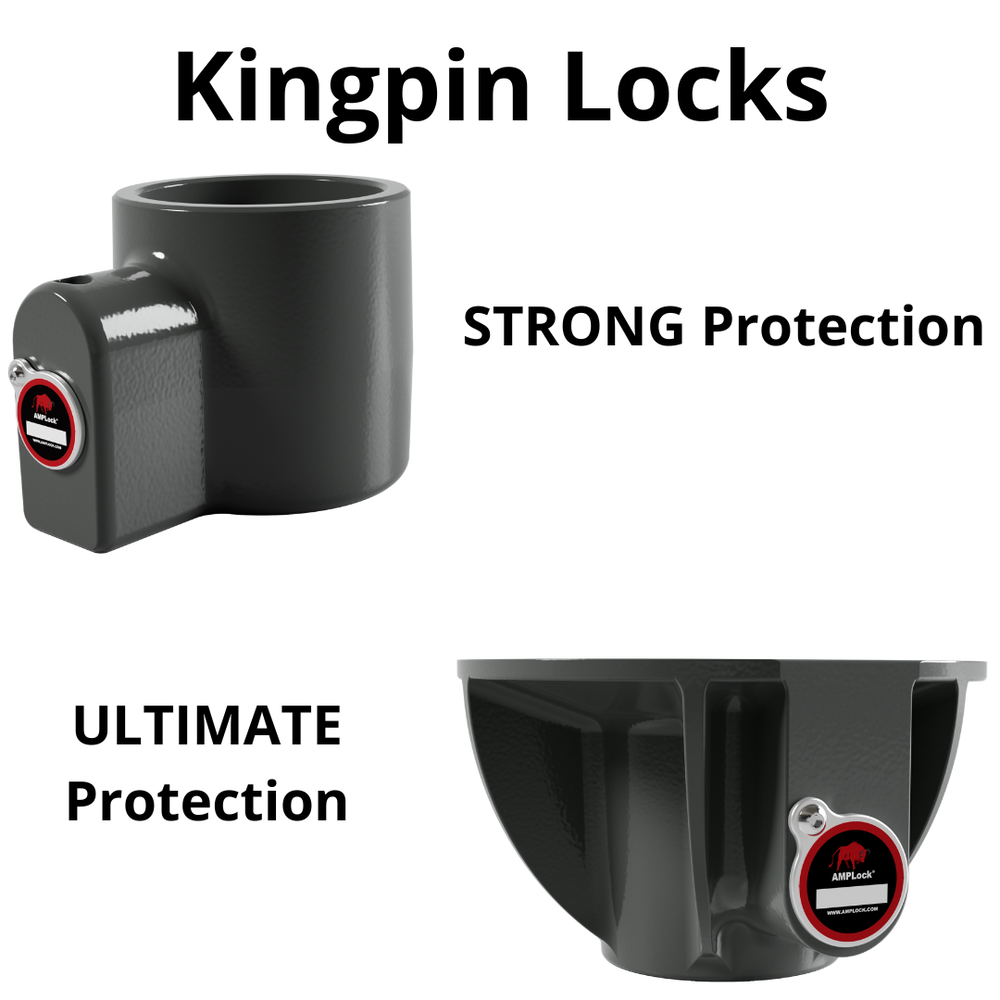
At AMPLock, we craft trailer locks from certified North American ductile iron and stainless steel, designed to withstand extreme conditions and deter even determined thieves. Our products include everything from ball coupler locks to king pin locks that provide robust protection for your RV.
Ready to safeguard your trailer with security you can trust? We offer free shipping, a 30-day return policy, and a 5-year warranty on all our products.
Frequently Asked Questions About How To Secure RV Trailers
Is A Hitch Lock Enough To Prevent Theft?
A single hitch lock provides only basic protection for your RV trailer. While it secures the coupler to prevent unauthorized hitching, experienced thieves can bypass this device quickly. For complete security, you need multiple layers of protection working together. Adding wheel locks prevents movement, GPS trackers allow location monitoring, and alarm systems create loud deterrents. This combination makes your trailer significantly less attractive to potential thieves who prefer easy targets. Think of security as a puzzle: each piece you add makes the whole picture more difficult for criminals to solve.
Should I Remove My RV's Wheels?
Removing wheels from your RV creates an extremely effective physical barrier against theft during long-term storage periods. This method literally immobilizes your trailer, making it impossible to tow away without significant effort and equipment. Many owners place their RV on jack stands after wheel removal, which serves dual purposes of security and preventing flat spots on tires. If complete removal seems too cumbersome, quality wheel locks or chock locks offer similar benefits with less hassle. Thieves typically seek quick opportunities, so any system that demands extra time dramatically reduces risk.
What Common Mistakes Do New RV Owners Make With Security?
New RV owners often rely on just one security measure instead of creating a comprehensive protection strategy. Many leave valuables visible through windows, practically advertising what's worth stealing. Failing to install motion-activated lights around parking areas gives thieves darkness to work under. Some owners forget to lock compartment doors or neglect installing surveillance cameras that could deter potential criminals.
Related items
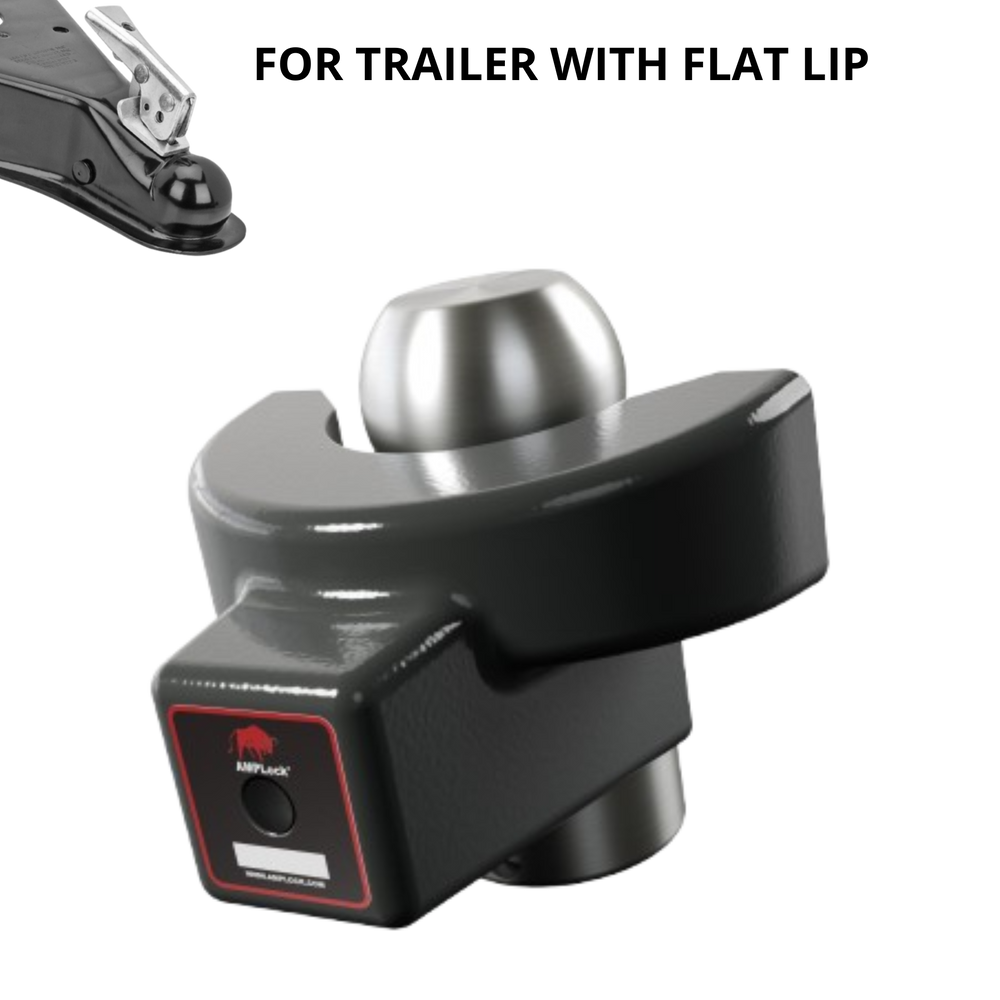
Ball Coupler Lock - Flat Lip Design/standard trailer