Construction Site Theft: A Complete Prevention Guide

Construction site theft drains the United States construction industry of hundreds of millions of dollars every year. Stolen equipment, copper wiring, and building materials account for the bulk of direct losses, but the true financial impact extends to project delays, increased insurance premiums, and stalled operations that ripple across entire schedules. With thousands of incidents reported to the FBI each year and recovery rates that leave most victims without recourse, construction site theft ranks among the most persistent and costly security challenges in the industry.
From the tools most likely to disappear overnight to the prevention measures that actually work, understanding how to combat construction site theft is the first step toward keeping a jobsite secure.
The Scale Of Construction Site Theft In The United States
Construction site theft is a national crisis that affects contractors, developers, and project owners across every state. The financial losses are significant, and the true scale of the problem is likely much larger than reported numbers suggest.
Annual Financial Losses And Industry Impact
The construction industry loses between $300 million and $1 billion annually in equipment theft alone, according to the NICB. Copper theft adds another $1 billion per year, as tracked by the DOE. These figures only account for reported cases, and the true cost is likely much higher when factoring in unreported incidents and indirect losses.
These direct costs don't capture the full financial cascade. When factoring in replacement expenses, rental equipment, project delays, and rising insurance premiums, the true cost of theft climbs well beyond what's stolen. For construction companies managing multiple projects, repeated theft events can erode profit margins and strain business operations over time.
Incident Frequency And Reporting Gaps
Thousands of construction theft incidents are reported to the FBI each year, and the problem is widespread enough that most contractors have dealt with it firsthand. Repeat victimization is common, and many contractors experience multiple theft events within a single year.
These numbers still underestimate the problem. A significant portion of construction site thefts go unreported, often because the loss falls below the insurance deductible or because contractors lack the documentation needed to file a claim. The gap between reported and actual incidents makes it difficult to track theft activity accurately at the national level.
What Gets Stolen Most Often On Construction Sites
Tools, heavy equipment, and building materials make up the majority of all construction site theft incidents. Each category presents different challenges for prevention and recovery.
Heavy Equipment And Machinery
Heavy machinery represents the highest-value target on most construction sites. Excavators, backhoes, skid steers, and generators carry significant price tags, and top manufacturers like Caterpillar, John Deere, and Bobcat are common targets because their equipment holds strong resale value.
Much of the stolen machinery is relatively new, making it especially valuable on the secondary market. Thieves often use flatbed trucks to remove machinery quickly during overnight hours. Because this machinery frequently lacks standardized identification systems, tracking and recovering stolen units is difficult, and recovery rates for these items remain low.
Copper Wiring And Building Materials
Copper is one of the most targeted materials on construction sites. With copper prices at elevated levels, wiring and piping are highly attractive to thieves. The damage caused during copper removal often costs far more than the value of the metal itself, because thieves tear through walls, ceilings, and electrical systems to access it.
Lumber and steel prices have surged since 2020, which has made building materials a more common target. These material cost increases have turned what was once considered low-priority theft into a significant financial risk for construction projects.
Power Tools And Smaller Items
A single multi-tool theft incident can cost thousands of dollars. Power tools are easy to steal, easy to transport, and easy to resell through online marketplaces and local black markets. Workers often leave tools unsecured at the end of a shift, which creates a window of opportunity for thieves.
Missing tools may seem like a minor nuisance compared to heavy equipment theft, but the cumulative impact adds up quickly. When a crew shows up to a jobsite and their tools are gone, the entire day's work stops until replacements arrive. This disruption affects timelines, labor costs, and overall project efficiency.
Why Construction Sites Are Easy Targets For Thieves
Construction sites have structural vulnerabilities that make them more attractive to criminals than other types of commercial properties. Contractors need to know these risk factors to build an effective prevention strategy.
Geographic Isolation And Limited Surveillance
Many construction sites are located in areas where law enforcement response times are slow. Sites in rural or developing zones are especially vulnerable because they lack the foot traffic and community oversight that deter crime in more populated areas.
A typical jobsite sits unattended for the majority of each day, including nights and weekends. During early construction phases, sites often lack electricity and internet access, which prevents the installation of traditional surveillance cameras and lighting systems. This combination of geographic isolation and limited monitoring creates an environment where thieves can operate with minimal risk of detection.
Multiple Access Points And Temporary Infrastructure
Unlike a warehouse or office building with controlled entry points, a construction site may have multiple gates, driveways, and access roads. Temporary fencing is easy to cut or push aside. Chain-link barriers without locks or reinforcement offer little more than a visual boundary.
The temporary nature of construction infrastructure means that security measures need to adapt as the project evolves. A perimeter that works during the foundation phase may be completely inadequate once the building goes vertical and new access points open up around the site.
Insider Knowledge And Employee Theft
Employee theft is a widespread issue across industries. On construction sites, subcontractors and temporary workers gain detailed knowledge of equipment locations, delivery schedules, security gaps, and daily routines. This insider information makes it easier to plan and execute theft without raising suspicion.
Some theft operations combine insider knowledge with external execution. An employee provides details about what's on site and when it's unguarded, and an outside crew handles the actual removal. This type of coordinated theft is harder to detect and prevent through standard security measures alone, which is why management protocols and background checks play an important role in a layered security approach.
When And How Construction Site Theft Occurs
Construction site theft follows predictable timing and methods. Knowing when and how these incidents occur helps contractors take targeted action during the highest-risk periods.
Overnight, Weekend, And Holiday Vulnerability
Most construction site theft happens during non-working hours, particularly at night when sites are completely unattended. 3-day holiday weekends represent the highest-risk window because sites sit empty for extended periods without any worker activity or oversight.
Standard Monday-through-Friday work schedules leave jobsites exposed for the majority of each week. Without dedicated night security or remote monitoring, there's often no one present to notice or respond to suspicious activity until the next morning.
Opportunistic Theft Versus Organized Crime Operations
Opportunistic theft accounts for a significant portion of construction site crime. These incidents typically involve individuals hopping a fence and grabbing whatever tools or materials they can carry. The barrier to entry is low, especially on sites with poor perimeter security.
Organized crime operations represent a more serious and growing threat. These groups use sophisticated methods, including falsified ownership documents, drone reconnaissance, insider information, and flatbed trucks staged for rapid equipment removal. Stolen equipment is often transported across state lines or exported internationally, making recovery nearly impossible. The level of planning involved in organized theft operations makes them harder to deter with basic security measures.
Seasonal Patterns And High-Risk Periods
August consistently ranks as the peak month for construction site theft, coinciding with the busiest period of the construction season. May also shows elevated theft activity. Summer months overall tend to produce more incidents because more sites are active and more equipment is deployed across job locations.
January presents an unexpected high-risk period as well. Construction projects that pause or slow down during winter leave equipment idle and unmonitored on sites for weeks at a time. Thieves take advantage of this seasonal lull to target valuable assets that aren't being checked regularly.
The Financial And Operational Impact Of Construction Site Theft
The cost of construction site theft extends far beyond the value of what's stolen. Each incident triggers a chain of financial and operational consequences that can affect a project for weeks or months.
Replacement Costs And Recovery Statistics
Recovery rates for stolen construction equipment are dismal, with single-item thefts recovered less than 7% of the time. Trucks have the highest recovery rate at 55%, but smaller items and building materials are almost never recovered.
When the value of stolen items falls below the insurance deductible, contractors absorb the full replacement cost out of pocket. Even when insurance does cover the loss, the claims process takes time, and the equipment needs to be replaced immediately to keep the project moving forward.
Project Delays And Cascading Timeline Effects
When critical machinery goes missing from a jobsite due to construction site theft, work stops. A stolen excavator or generator can halt an entire phase of construction for days or even weeks while replacements are sourced, delivered, and commissioned. During that time, labor costs continue to accumulate without productive output.
Project delays from theft don't exist in isolation. They cascade through the entire schedule, pushing back subsequent trades, disrupting coordination between subcontractors, and potentially triggering contractual penalties for missed deadlines. A single theft event can add weeks of delay and tens of thousands of dollars in additional costs due to this ripple effect.
Insurance Premiums And Long-Term Business Consequences
Repeated theft claims lead to increased insurance premiums and, in some cases, policy non-renewal. Insurance companies view frequent claims as a sign of inadequate risk management, which can make it harder and more expensive for construction companies to maintain coverage.
Beyond the financial impact, theft affects employee morale and business reputation. Workers who show up to a jobsite and find their tools stolen feel less secure and less motivated. High turnover in the industry already creates staffing challenges, and persistent theft problems can make it even harder to retain experienced personnel.
Proven Strategies To Prevent Construction Site Theft
Effective theft prevention uses a layered approach that combines physical barriers, technology, and operational controls. No single measure eliminates risk entirely, but the right combination goes a long way toward reducing vulnerability.
Perimeter Security And Adequate Lighting
An 8-foot chain-link fence with barbed wire or anti-climb features creates a strong first line of defense. Solid panel fencing prevents thieves from scouting a site's contents before attempting entry. All gates should have heavy-duty locks and be inspected daily for signs of tampering.
Motion-activated lighting is one of the most cost-effective ways to deter nighttime theft. Solar-powered lighting options work well on sites that don't yet have electrical service. Warning signage that announces surveillance and security monitoring adds another psychological barrier. Well-lit areas with visible cameras and signs make construction sites far less attractive targets.
Surveillance Cameras And Remote Monitoring Systems
Modern video surveillance systems go beyond simple recording. Remote monitoring services provide real-time oversight with operators who can respond to suspicious activity, sound alarms, and contact law enforcement immediately. Mobile and relocatable camera units allow security to move with the project as it progresses.
AI-powered video analytics can distinguish between animals, authorized personnel, and potential intruders, reducing false alarms and improving response accuracy. Night vision and thermal imaging ensure effective coverage even in complete darkness. Cloud-based systems allow project managers to check camera feeds from anywhere, providing an additional layer of oversight without requiring on-site presence.
Access Control And Inventory Management
Controlled access starts with a sign-in system that tracks everyone entering and leaving the jobsite. Credential verification for all workers and delivery drivers ensures that only authorized personnel have access to the site. Background checks on employees and subcontractors help identify potential risks before they become problems.
Daily equipment counts and tool inventory checks create accountability and help detect theft early. Delivery logs and chain-of-custody procedures for high-value items ensure that materials are tracked from arrival to installation. These management practices take effort to maintain, but they're essential for keeping assets secure and identifying losses quickly.
GPS Tracking And Equipment Identification
Hidden GPS tracking devices dramatically improve recovery rates for stolen machinery. When a piece of machinery disappears, real-time location data allows law enforcement to respond quickly and recover the asset before it's sold or exported. Thieves often miss concealed GPS units, especially when they're installed in non-obvious locations.
Registering equipment with the National Equipment Register (NER) provides another layer of protection. This database helps law enforcement identify stolen machinery during traffic stops, port inspections, and resale transactions. The register has helped recover millions of dollars in stolen goods. Photographing every asset, recording serial numbers, and documenting VINs and PINs create a comprehensive identification record that supports both insurance claims and recovery efforts.
Securing Trailers On The Jobsite
Construction sites rely on trailers to transport and store equipment, tools, and building materials. An unsecured trailer is one of the easiest targets on a jobsite because thieves can hitch it to a truck and drive away in minutes. High-quality trailer locks prevent unauthorized towing by locking the coupler, hitch, or wheels in place.
Coupler locks, hitch locks, and wheel chock locks each address a different vulnerability point. Using multiple lock types together creates a layered defense that significantly increases the time and effort required to steal a trailer. For construction companies that store valuable assets in enclosed trailers overnight, cargo trailer door locks add protection against break-ins even when the trailer itself can't be moved. Investing in a commercial trailer lock solution built for heavy-duty use is one of the most practical steps contractors can take to secure mobile assets on the jobsite.
Insurance And Documentation Best Practices
Proper insurance coverage and thorough documentation reduce the financial exposure from construction site theft and improve the chances of a successful recovery.
Optimizing Coverage For Construction Equipment
Not all insurance policies cover the full replacement cost of stolen items. Actual cash value policies account for depreciation, which means the payout may fall far short of what it costs to buy a replacement. Replacement cost coverage provides a better safety net, especially for newer equipment that holds its value.
Price escalation endorsements are worth considering in today's market, where equipment pricing has climbed significantly since the pandemic. Regular coverage reviews help ensure that policy limits keep pace with the rising value of assets on site. Some insurers require specific security measures, such as GPS tracking or perimeter fencing, as conditions for valid coverage. Meeting these requirements proactively can prevent claim denials and potentially lower premiums.
Reporting Protocols And Recovery Procedures
Fast reporting is the single most important factor in recovering stolen construction equipment. File a police report immediately, then notify your insurance provider and the NER. The first 24 to 48 hours after a theft are critical because equipment that moves across state lines or gets repainted and re-serialized becomes exponentially harder to identify.
Documenting the theft scene with photographs and detailed notes helps support both the police investigation and the insurance claim. Maintaining an up-to-date asset register with serial numbers, photographs, and GPS device information means the data law enforcement needs is available the moment it's needed. Companies that establish clear reporting protocols and train their teams to follow them recover stolen assets at higher rates than those without a structured approach.
Protect Your Construction Site With AMPLock
Construction sites depend on trailers to move equipment and materials between locations, storage areas, and active work zones. An unprotected trailer sitting on a jobsite overnight is an open invitation for theft. Securing these mobile assets doesn't require a massive investment, but it does require the right equipment.
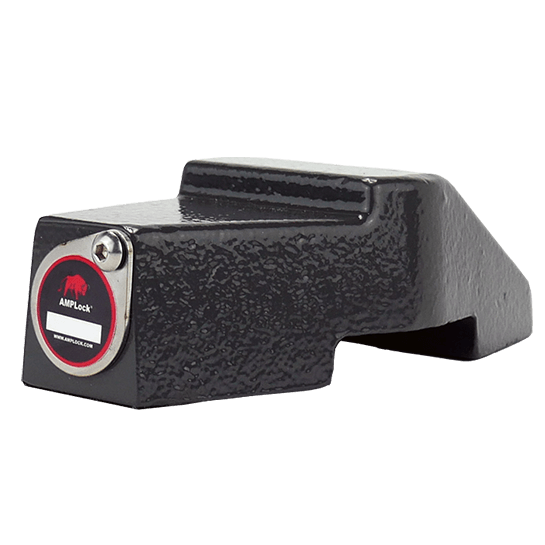
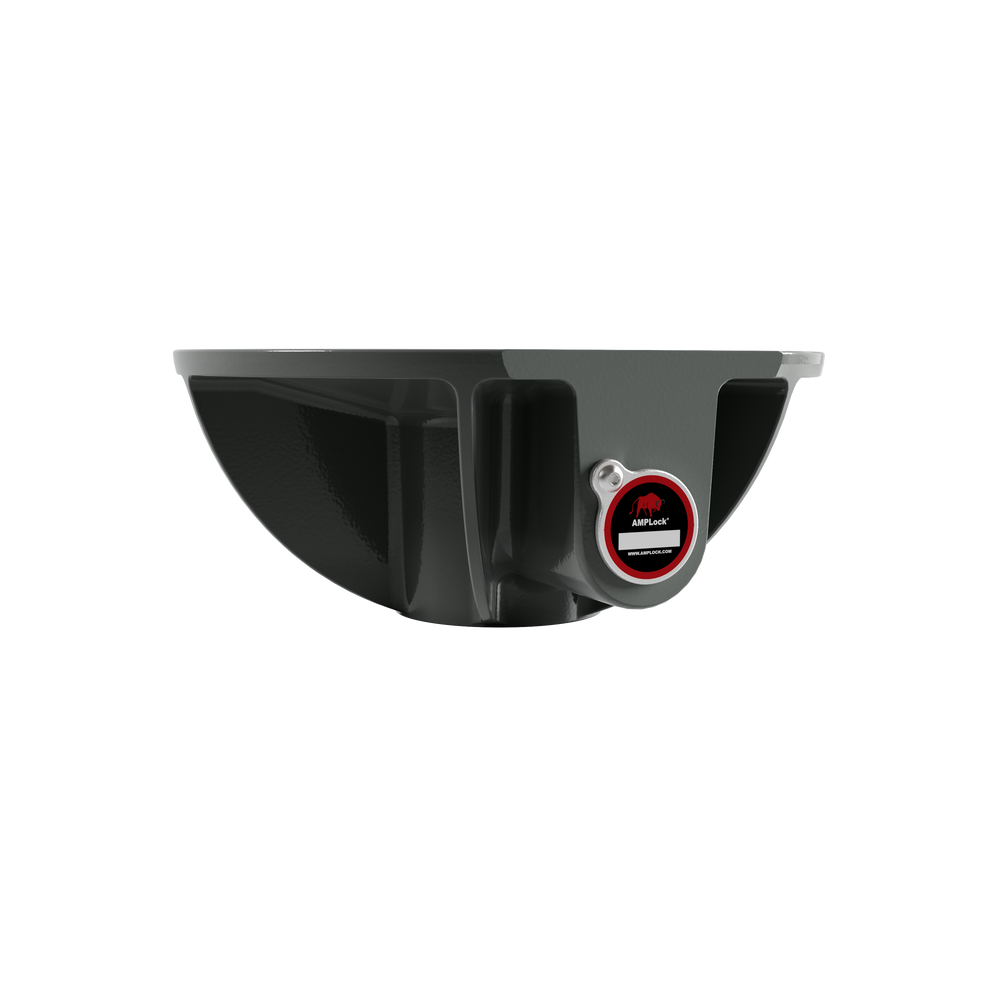
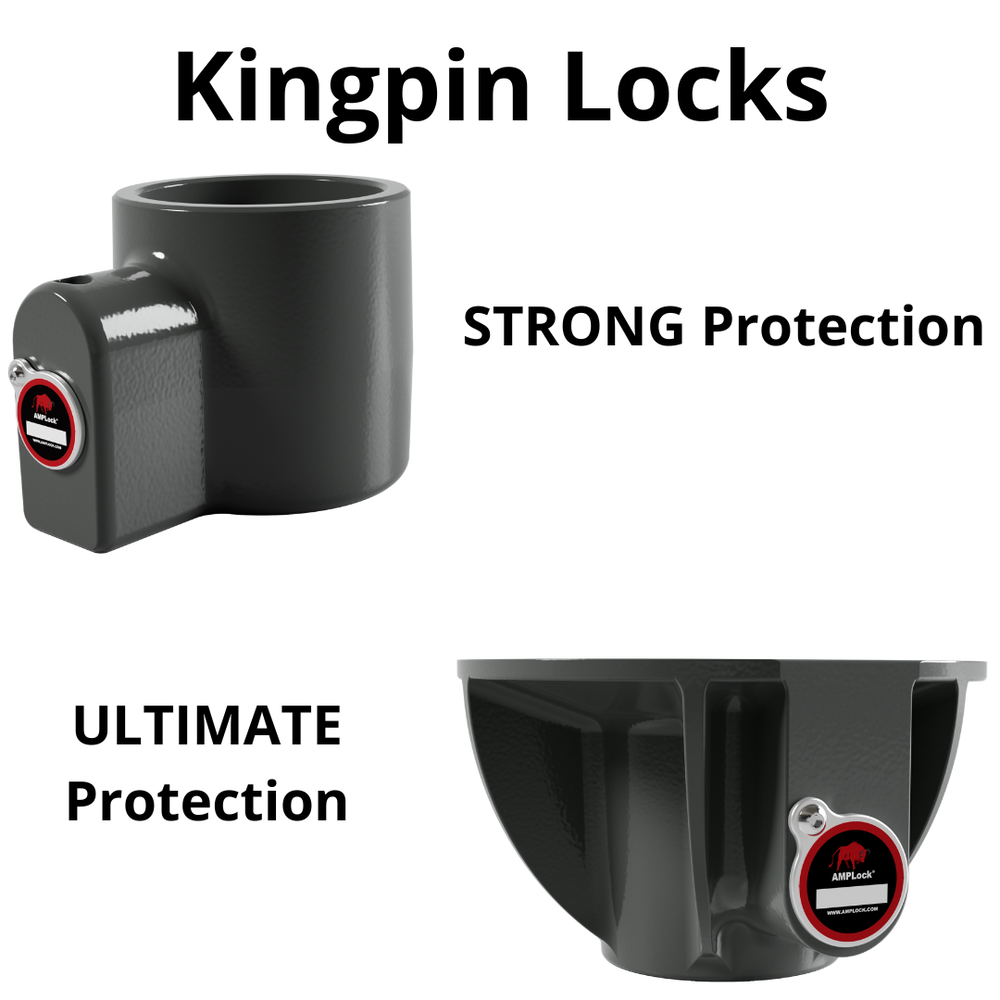
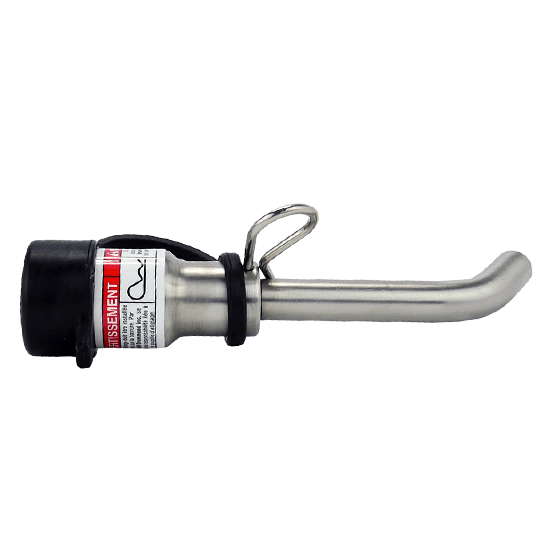
AMPLock's trailer locks are engineered for the demanding conditions found on construction sites. Built from heavy-duty steel and designed to resist cutting, drilling, and prying, these locks provide reliable protection for coupler hitches, doors, and wheels. Whether you're securing a utility trailer loaded with power tools or an enclosed trailer storing generators and copper materials, AMPLock offers a solution that fits.
Learn more about trailer theft prevention strategies and explore the full range of lock options designed to keep your construction site secure.
Frequently Asked Questions About Construction Site Theft
How Much Does Construction Site Theft Cost The Industry Each Year?
The combined annual cost runs well into the billions when accounting for equipment losses, copper wire theft, project delays, insurance premium increases, and lost productivity. The full financial breakdown is covered in the sections above.
What Are The Most Commonly Stolen Items On A Construction Site?
The most targeted categories (tools, heavy equipment, and building materials) are covered in detail above. Copper wiring, lumber, and generators top the list of individual targets because of their high resale value and the difficulty of tracing them once they leave the site.
How Can GPS Tracking Help Recover Stolen Construction Equipment?
Hidden GPS devices provide real-time location data that allows law enforcement to track and recover stolen equipment quickly. Thieves often miss concealed tracking units, which gives investigators a direct path to the asset. Combining GPS tracking with NER registration significantly improves recovery outcomes.
Are Construction Companies Legally Required To Maintain Site Security?
Security requirements vary by jurisdiction. Some municipalities mandate specific measures like perimeter fencing and lighting. Insurance policies often include security provisions as conditions for coverage. Construction contracts increasingly require contractors to maintain defined security standards, making site security both a legal and a contractual obligation in many cases.
What Role Does Lighting Play In Deterring Construction Site Theft?
Adequate lighting is one of the most effective and affordable theft deterrents available. Motion-activated lights draw attention to unauthorized movement and make surveillance cameras more effective at capturing usable footage. Well-lit construction sites are significantly less attractive to thieves, who prefer to operate under cover of darkness.