Cargo Theft Prevention Guide for Fleet Operators

Cargo theft losses hit $725 million in 2025, with the average stolen shipment valued at $273,990 (CargoNet). For fleet operators and logistics companies across the transportation industry, the risk keeps climbing year after year. This cargo theft prevention guide covers the full spectrum of measures that help prevent losses and protect freight across the supply chain: types of theft, physical security, GPS tracking, carrier vetting, driver protocols, evolving criminal tactics, and response planning.
What Is Cargo Theft and Why Does It Keep Increasing?
Cargo theft is the unauthorized taking of freight at any point in the supply chain, from highways and rail yards to marine terminals and distribution centers. The crime has hit record levels year after year, and the trend shows no sign of slowing. Criminal networks target shipments because the profit margin is high: stolen goods move quickly through underground resale channels, and prosecution rates remain low across most jurisdictions.
Several factors drive the increase. Tariffs on imported goods raise the street value of in-demand products, and criminals now use technology to track shipments, clone carrier identities, and exploit gaps in digital freight platforms. The transportation industry also faces a shortage of secure parking and inconsistent law enforcement coordination across state lines, which gives organized theft rings room to operate. For companies in the logistics and freight sector, the risk compounds with every mile of unsecured transit, which is why cargo theft prevention has become a core operational priority.
Which Types of Cargo Theft Pose the Greatest Threat?
The FBI classifies cargo theft into two broad categories: straight theft and strategic theft. A third form, pilferage, is less dramatic but still costly.
Straight theft is the most common type. Thieves physically steal cargo from truck stops, parking lots, drop lots, or rail yards. Common targets include shipments left unattended overnight, when the window to access a trailer undetected is widest.
Strategic theft relies on fraud rather than force. Criminals pose as legitimate carriers, use stolen credentials to access load boards, and redirect shipments to unauthorized locations. This category has grown sharply and is covered in detail in the evolving tactics section below.
Pilferage involves taking smaller portions of a shipment from a trailer, often during transit or at transfer points. Because the full load isn't missing, these practices can go undetected until the carrier delivers and the receiver counts the inventory.
High-Risk Commodities and Theft Hotspots
Electronics, food and beverages, pharmaceuticals, and auto parts top the list of stolen freight in the United States. Alcohol, tobacco, and household goods are also common targets, along with metal, which saw a sharp increase in theft incidents in 2025. Criminals prioritize items that are easy to move, hard to trace, and in constant demand on secondary markets.
Geographically, California, Texas, and Illinois account for more than half of all reported cargo theft incidents. New Jersey, Pennsylvania, and Indiana have seen notable spikes in recent years. The highest-risk areas include warehouse and distribution centers, truck stops, and unsecured parking lots where shipments sit without surveillance or physical barriers.
Theft activity peaks during July, November, and December, when freight volumes spike around holidays and seasonal demand stretches logistics capacity thin. The financial toll of these thefts extends far beyond the value of the stolen goods themselves.
How Much Does Cargo Theft Cost the Supply Chain?
The total cost of cargo theft to the U.S. trucking and logistics industry reaches an estimated $6.6 billion per year (ATRI via Fortune). That figure goes well beyond the value of stolen goods. It includes insurance premium increases, replacement shipment costs, investigation expenses, and the ripple effects that push consumer prices higher across the entire supply chain.
The risk compounds at every level. A single incident can cost a company tens of thousands in direct losses, but the secondary expenses tied to each theft are what make cargo crime so destructive to the bottom line. For companies in the freight and transportation sector, the data points to a clear pattern: cargo theft prevention is a financial imperative, not just an operational one.
Why Do Hidden Costs Often Exceed Direct Losses?
The stolen shipment is only the starting point. Every cargo theft triggers secondary expenses that include far more than the cargo's replacement value. Companies across the logistics and freight industry absorb these costs long after the initial incident:
Insurance premium increases: Carriers with theft claims on their record face higher premiums at renewal, which cuts into margins on every future shipment.
- Customer trust and contract losses: A single failed delivery can damage a company's reputation enough to lose recurring freight contracts.
- Supply chain delays: Replacing stolen goods takes time, and downstream partners absorb the delays through missed deadlines and idle production lines.
- Investigation and recovery costs: Coordinating with law enforcement, filing reports, and working with recovery services like CargoNet or NICB requires staff time and resources.
- Regulatory compliance burden: Repeated incidents can trigger audits or additional reporting requirements that add administrative overhead.
- Driver downtime: Drivers involved in a theft incident may spend days helping with investigations instead of hauling freight.
These costs help explain why the industry treats cargo theft as a systemic risk, not an isolated event. Reducing exposure starts with a layered prevention strategy.
Proven Strategies for Cargo Theft Prevention
Cargo theft prevention demands a layered approach because no single measure stops all types of threats. The most effective practices combine physical security to secure cargo, tracking technology to monitor shipments, carrier vetting to prevent fraud, and operational protocols to protect loads at every stage. Fleet operators who use these strategies together help close the gaps that criminals exploit.
Physical Security Measures for Cargo in Transit
Physical barriers are the first line of defense in any cargo theft prevention program. They work by increasing the time and effort required to access a trailer, which is often enough to deter opportunistic thieves who rely on speed. The most common hardware categories include:
- Trailer door locks: Heavy-duty models that prevent unauthorized access to cargo compartments. Quality locks resist cutting, drilling, and prying, forcing criminals to spend more time at the scene.
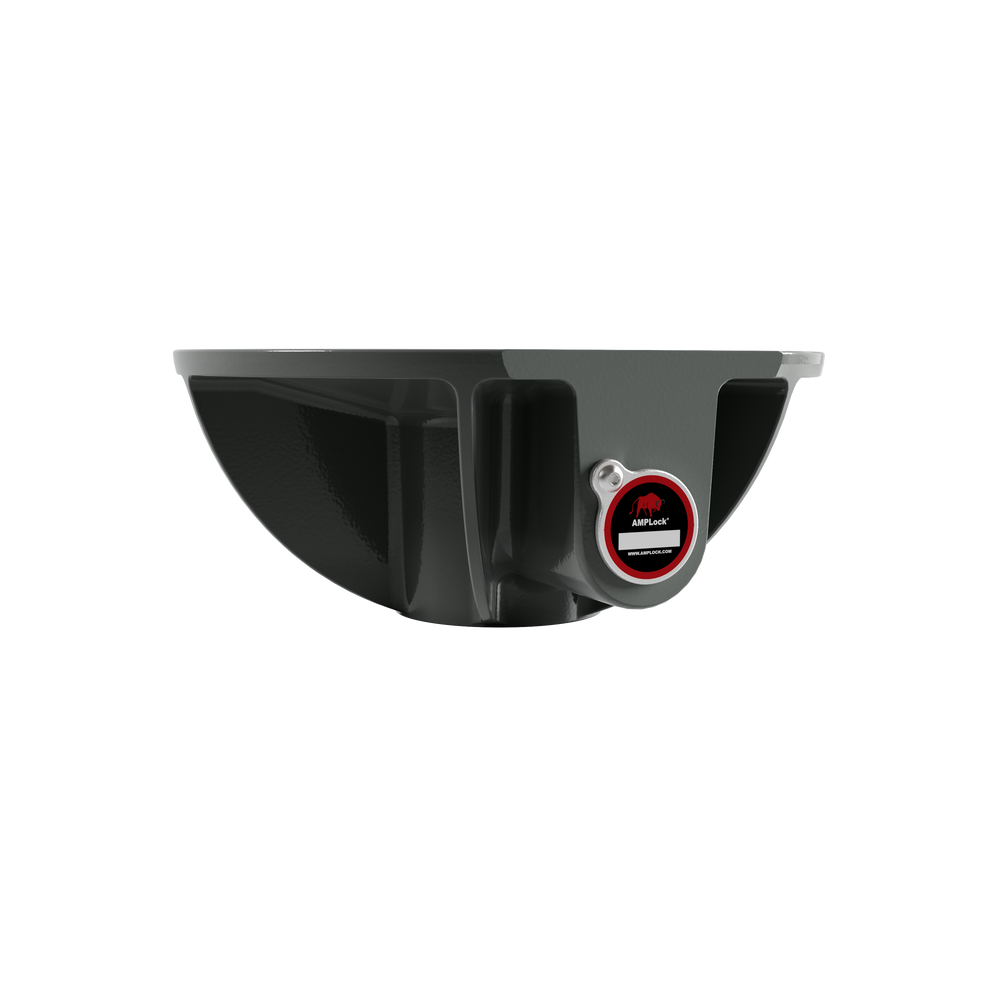
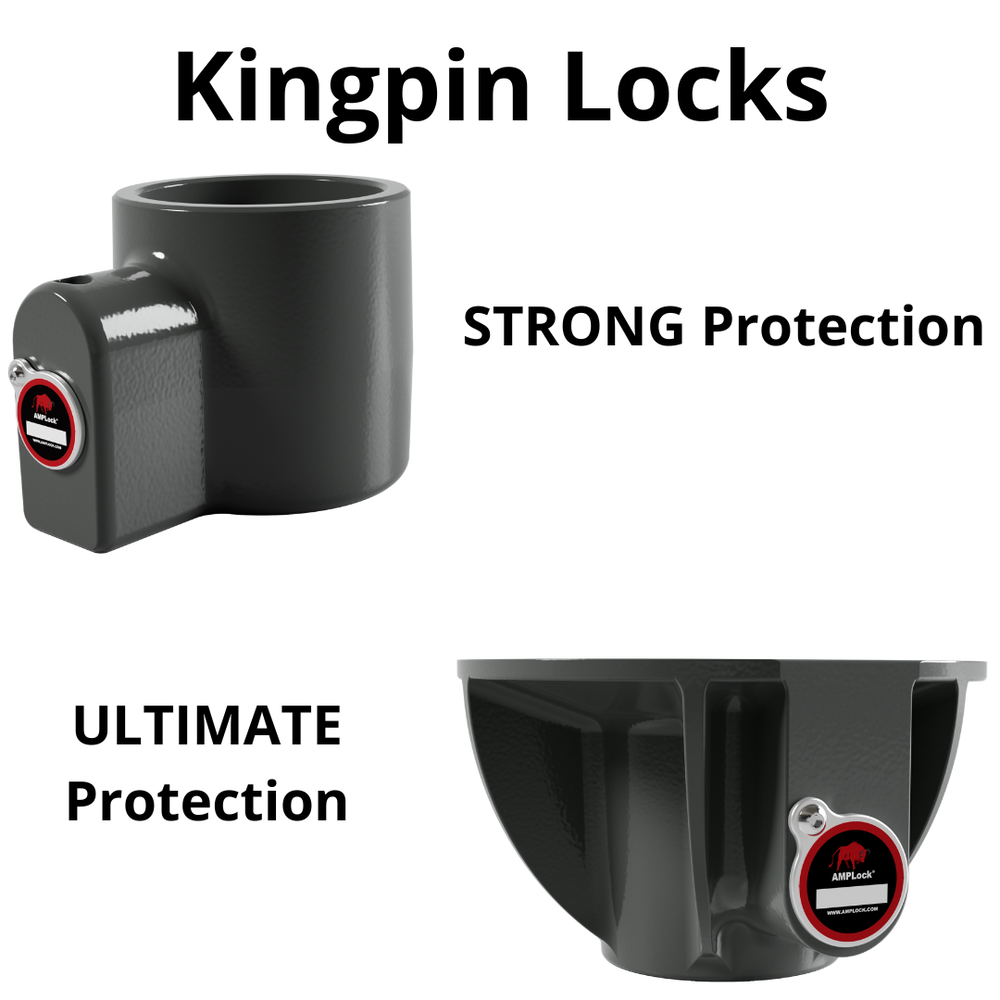
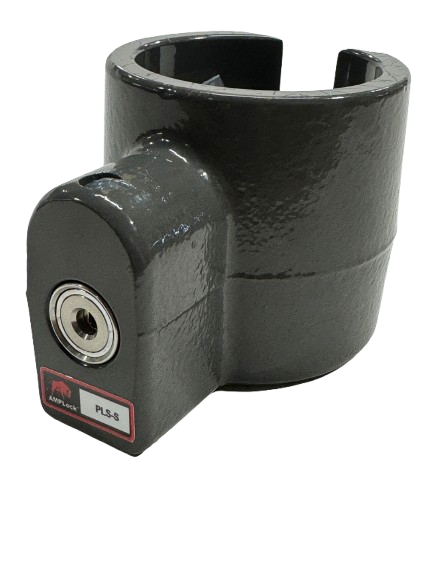
- Kingpin locks: Secure the fifth-wheel connection on commercial trailers to prevent the truck from being hitched and driven away.
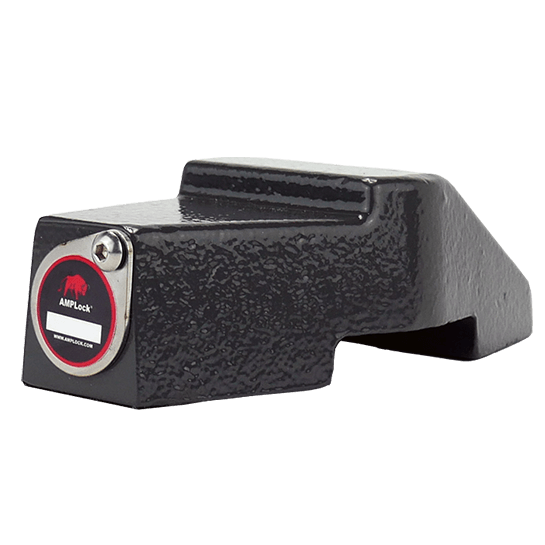
- Landing gear locks and air cuff locks: Prevent trailer movement by locking the landing gear in place or disabling the air brake system.
- High-security seals: Tamper-evident indicators that confirm load integrity from origin to destination. A broken seal signals unauthorized access before the cargo is even counted.
Most thieves abandon targets that require specialized tools or extended time to breach. The harder it is to access the load, the more likely they are to move on. Fleet operators looking to protect their cargo can explore cargo trailer door locks built for commercial use.
GPS Tracking and Real-Time Freight Visibility
GPS tracking serves as both a deterrent and a recovery tool in cargo theft prevention. When criminals know a shipment is being monitored in real time, the risk of getting caught increases sharply. Key features that make GPS technology effective for freight security include:
- Geofencing alerts: Automatic notifications when a trailer leaves a designated area or deviates from the planned route.
- Dwell-time monitoring: Flags shipments that sit in one location longer than expected, which is a primary vulnerability for theft.
- Route deviation notifications: Real-time alerts when a driver or vehicle strays from the assigned path.
Hidden tracker placement adds another layer. Using a primary GPS unit alongside consumer-grade tags (AirTags, Tile) creates redundant tracking that's harder for thieves to fully disable. If the main unit gets found and removed, the secondary tag still transmits location data.
Cameras mounted on trailers or at staging areas provide visual confirmation that supports both prevention and post-incident investigation. For more on combining physical locks with tracking technology, see this guide on trailer theft prevention.
Can Carrier Vetting Stop Strategic Freight Theft?
Carrier vetting is the primary defense against strategic freight theft, which relies on fraud rather than physical force. The risk comes from criminals who impersonate legitimate carriers or use stolen credentials to redirect shipments. Companies that skip verification steps expose themselves to losses that are nearly impossible to recover.
Effective vetting practices include:
- Verify carrier authority and insurance status through FMCSA before releasing any load.
- Cross-reference contact information (phone numbers, email addresses) against official carrier records.
- Flag carriers with limited operating history or recently acquired authority, which are common indicators of fraudulent operations.
- Use load board verification tools to confirm the identity of every broker and carrier involved in the shipment.
- Require in-person or video confirmation for high-value freight loads.
These steps won't eliminate strategic theft entirely, but they close the most common entry points. Cargo theft prevention at the carrier level is about making the verification process harder to bypass than the shipment is worth stealing.
Driver Training and Operational Security Protocols
Drivers are the last line of defense between cargo and theft, which is why operational training has a direct impact on cargo theft prevention. The best physical locks and GPS systems can't compensate for a driver who parks in an unsecured lot or ignores a suspicious pickup request.
Effective driver practices take multiple forms:
- Route planning: Avoid high-risk areas and known theft hotspots. Plan fuel and rest stops at secure truck stops with lighting and surveillance.
- Parking discipline: Back trailers against walls or other trailers to block door access. Choose well-lit parking areas with foot traffic or on-site security.
- Check-in protocols: Communicate with dispatch at designated intervals. A missed check-in triggers an immediate follow-up.
- Social engineering awareness: Teach drivers to recognize suspicious calls, unauthorized pickup requests, and credential verification attempts that don't match standard procedures.
- Fatigue management: Tired drivers make security mistakes. Rest schedules that prevent exhaustion also prevent the lapses that criminals count on.
Operational security isn't a one-time training session. Regular refreshers and post-incident reviews keep these protocols from becoming routine checkboxes that stop working when it matters most. Even with all of these layers in place, criminal tactics continue to evolve.
Evolving Criminal Tactics in Freight Theft
Cargo theft is no longer limited to smash-and-grab operations at truck stops. Criminal networks now operate across state lines, access digital freight platforms, and use increasingly sophisticated methods to steal shipments without ever touching a trailer door. The shift from opportunistic crime to organized, tech-enabled theft has made cargo theft prevention significantly harder for companies that haven't updated their defenses.
Strategic theft has driven much of this change. Since Q1 2021, strategic cargo theft has surged at an unprecedented rate (ATA), with criminals using stolen credentials, fabricated identities, and digital tools to redirect loads before anyone realizes the shipment is missing. The technology gap between criminal operations and fleet security protocols continues to widen.
Strategic Freight Fraud Methods and Detection Gaps
Strategic freight theft targets the logistics process itself rather than the physical cargo. Criminals exploit the trust-based systems that connect shippers, brokers, and carriers, and the most common methods include:
- Fictitious pickups: Criminals pose as legitimate carriers using stolen or fabricated credentials to collect a shipment that was never assigned to them. By the time the real carrier arrives, the load is gone.
- Double brokering scams: A broker re-brokers a load without authorization to a carrier that either doesn't exist or is controlled by the theft ring. The shipper pays, the freight disappears.
- Account takeovers: Criminals hijack legitimate carrier accounts on load boards, then use that access to accept and divert high-value shipments.
- Identity cloning: DOT numbers, MC numbers, and insurance certificates are copied from real carriers. The cloned identity passes surface-level checks, which is why deeper verification matters.
Detection typically happens after the cargo is already gone. The FBI classifies these operations as strategic theft specifically because they bypass physical security entirely, targeting the paperwork and digital systems that move freight from point A to point B. Cargo theft prevention at this level requires verification protocols, not just locks and GPS.
Where Do Cyberthreats Intersect With Freight Security?
The line between physical cargo theft and cybercrime is disappearing. Criminal organizations now combine digital tools with traditional theft methods to make their operations harder to detect and harder to stop. Fleet operators face a growing list of technology-driven threats:
- GPS spoofing: Manipulating GPS signals to mask route diversions, making it look like a shipment is on track when the trailer has already been redirected.
- Phishing for fleet portal credentials: Targeted emails or calls designed to steal login data for TMS platforms and fleet tracking systems.
- AI-automated social engineering: Using AI tools to generate convincing fake communications at scale, from fraudulent pickup confirmations to spoofed broker emails.
- Credential theft for tracking portals: Stolen logins give criminals direct access to real-time shipment locations, allowing them to time their theft precisely.
Companies that treat cargo theft prevention as a purely physical problem leave their digital infrastructure exposed. The convergence of strategic theft and cybercrime means that fleet security now requires both hardware upgrades and cybersecurity protocols working in parallel. When prevention measures fall short, the speed and structure of the response plan determines how much a single theft actually costs.
What Should a Cargo Theft Response Plan Include?
A cargo theft response plan defines exactly what happens in the minutes and hours after a theft is discovered. Companies that build this framework before an incident occurs recover faster and lose less. The plan should include the following steps:
- Immediate notification: Contact law enforcement, your insurance carrier, and fleet management as soon as the theft is confirmed. Delays reduce recovery chances.
- GPS coordinate sharing: Transmit the last known location data from all tracking devices to law enforcement. If redundant trackers are still active, share live coordinates.
- Recovery service coordination: Pre-established relationships with cargo theft databases like CargoNet and the NICB help speed up the investigation. Register high-value shipments in advance so recovery teams can act immediately.
- Documentation: Maintain photos, serial numbers, and detailed load manifests for every shipment. This data is needed for both law enforcement reports and insurance claims.
- Post-incident review: After every theft, analyze what failed: Was the parking location secure? Did the driver follow check-in protocols? Were carrier credentials verified? Each review should produce at least one actionable change.
Taking these steps seriously is what separates companies that treat theft as a recurring cost from those that actively reduce it. A strong cargo theft prevention program pairs physical defenses like commercial trailer locks with a structured response plan that covers both sides: prevention and recovery.
Insurance Coverage for Cargo Theft Losses
Many fleet operators discover gaps in their cargo insurance only after filing a claim. Standard carrier liability may not cover all types of theft, and the difference between what a policy covers on paper and what it pays out in practice can be significant. Companies need to review their coverage before a loss occurs, not after.
Key areas to verify include:
- Actual cash value vs replacement cost: Some policies pay the depreciated value of stolen goods, not the full replacement cost. The gap between the two can be substantial for high-value freight.
- Strategic theft coverage: Not all policies cover loads released to fraudulent carriers. If a shipment was handed over based on fake credentials, the claim may be denied under standard terms.
- Goods in transit vs goods at rest: Coverage limits often differ depending on whether the cargo was moving or parked when the theft occurred. Verify both scenarios.
- Pre-loss documentation: Inventory photos, serial numbers, and detailed load manifests speed up claims processing and strengthen the case for full reimbursement.
Insurance is a financial safety net, not a substitute for cargo theft prevention. It helps protect against the worst-case outcome, but the goal is still to reduce the risk of theft happening in the first place.
Protect Your Freight With AMPLock Cargo Trailer Door Locks
From physical theft at truck stops to fraud-based schemes that redirect entire shipments, cargo theft prevention requires security at every level. AMPLock manufactures heavy-duty cargo trailer door locks engineered for commercial fleet security. The product line covers cargo trailers, box trucks, and commercial vehicles, giving fleet operators a hardware-first layer of protection that deters opportunistic thieves and buys time for tracking systems to do their job.
Browse AMPLock's full selection of anti-theft trailer locks to find the right fit for your fleet.
Frequently Asked Questions About Cargo Theft Prevention
What Is the Most Effective Way to Prevent Cargo Theft?
A multi-layer approach that combines physical locks, GPS tracking, carrier vetting, and driver protocols gives the strongest protection. No single solution addresses all threat types: physical barriers deter straight theft, and verification processes counter strategic fraud.
Where Does Cargo Theft Happen Most Often in the United States?
California, Texas, and Illinois account for more than half of all reported incidents. High-risk locations include warehouse and distribution centers, truck stops, and unsecured parking lots. Theft activity peaks in July, November, and December.
How Can Small Carriers Protect Against Cargo Theft?
Start with quality trailer door locks and affordable GPS trackers with geofencing. Implement a carrier vetting checklist before accepting loads, choose secure parking locations, and maintain detailed documentation for insurance claims. These steps don't require a large budget but significantly reduce exposure.
What Is the Difference Between Straight Theft and Strategic Theft?
Straight theft involves physically stealing cargo from trucks, trailers, or storage locations. Strategic theft uses fraud and deception to redirect loads without physical force. Strategic theft has grown sharply since 2021 and now represents a growing share of all cargo crime.
Does Cargo Insurance Cover All Types of Theft?
Coverage depends on the policy terms. Standard carrier liability may not cover strategic theft or loads released to fraudulent carriers. Review your policy language for exclusions, and maintain pre-loss documentation (photos, serial numbers, load manifests) to strengthen claim outcomes.
How Do You Report a Cargo Theft Incident?
Contact local law enforcement immediately and file a report with your insurance carrier. Register the incident with CargoNet or the NICB to improve recovery chances and contribute to national theft tracking databases.
What Is Double Brokering and How Does It Lead to Cargo Theft?
Double brokering happens when a broker re-assigns a load to an unauthorized carrier without the shipper's knowledge, creating an opening for criminals to intercept the freight. The practice has grown alongside digital freight platforms, making carrier vetting a critical step before releasing any shipment.
Can Physical Locks and GPS Tracking Work Together to Prevent Cargo Theft?
Physical locks increase the time a thief needs to access cargo, while GPS tracking provides real-time location data that speeds up recovery if a breach occurs. Using both layers together creates a defense system that addresses opportunistic theft and enables faster law enforcement response.